The first months of motherhood are a huge physical and emotional transition — and most of the advice you’ll hear is about the baby. This guide is about you: recovering after birth, protecting your sleep and mental health, building support, and knowing which symptoms need urgent attention. The short version: lower the bar, accept help, rest whenever you can, and speak up early if something doesn’t feel right.
Key takeaways
- Recovery takes time — weeks for most and longer after a C-section or complicated birth. Postpartum check-ins should start within the first three weeks.
- Baby blues usually ease within two weeks. Low mood, anxiety or intrusive thoughts that last longer need support — they’re common and treatable.
- Learn the urgent warning signs below, such as heavy bleeding, chest pain, severe headache or thoughts of harming yourself.
- Share the load: night shifts, meals, chores and visitor limits.
- Trust yourself. You’ll learn your baby faster than you think.
Before the birth: a little preparation goes a long way
- Pack your hospital bag by about 36 weeks: loose comfortable clothes, nursing bras, maternity pads, toiletries, phone charger, snacks, and a going-home outfit and car seat for your baby.
- Batch-cook or line up meals for the first weeks.
- Decide on a support plan: who can help with night feeds, older children, pets and errands?
- Choose a pediatrician and save the number.
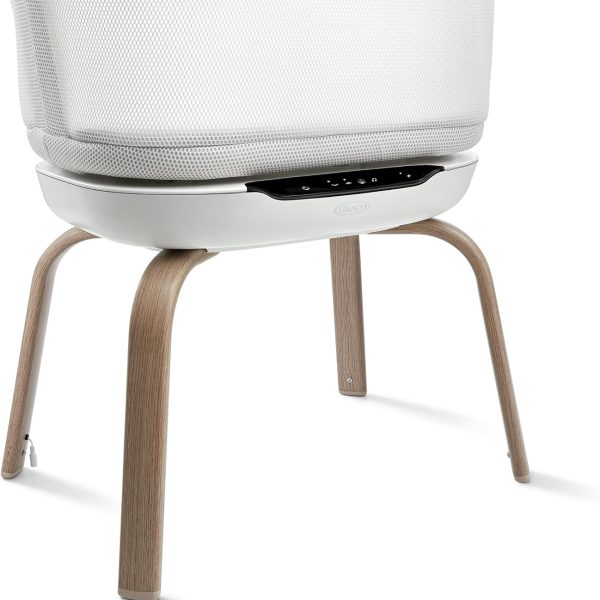
- Set up a safe sleep space and install the car seat. Our newborn essentials checklist covers the must-haves.
Your physical recovery
What’s normal
- Bleeding (lochia) that’s heavy at first, then lighter and paler over four to six weeks.
- Cramping, especially while breastfeeding, as your uterus shrinks.
- Soreness around stitches or your C-section incision, improving day by day.
- Night sweats, swollen breasts, hair shedding at a few months — all hormonal and temporary.
What helps
- Rest lying down as much as possible in the first two weeks.
- Pain relief your doctor or midwife has okayed, peri bottles, cold pads and stool softeners.
- Eat regular meals and keep water nearby — especially if you’re breastfeeding.
- Gentle walking when you feel ready; save strenuous exercise until you’re cleared.
- Pelvic floor exercises, and a referral to a pelvic floor physiotherapist if you have leaking, pain or heaviness.
Major medical organisations now recommend that postpartum care is an ongoing process: contact with your provider within the first three weeks, and a comprehensive check-up no later than 12 weeks after birth.
- chest pain, trouble breathing or a seizure;
- thoughts of hurting yourself or your baby;
- bleeding that soaks through a pad in an hour or less, or large clots;
- a severe headache that won’t go away, vision changes, or swelling of face and hands;
- a red, swollen, painful leg, or an incision that is opening, red or oozing;
- a temperature of 100.4°F (38°C) or higher.
These can be signs of serious complications that can happen up to a year after birth.
Your mental health
Up to 80% of new mothers experience the baby blues — tearfulness, irritability and mood swings in the first days — which usually ease within two weeks. Postpartum depression and anxiety are different: they last longer, feel heavier, and affect around one in seven mothers. Symptoms can include persistent sadness, feeling numb or disconnected, constant worry, panic, trouble sleeping even when your baby sleeps, or intrusive frightening thoughts.
These conditions are common, not a sign of weakness, and very treatable with support, therapy and sometimes medication (many options are compatible with breastfeeding). Partners can be affected too.
Sleep: protect it like it matters (it does)
- Take shifts. Even one protected four- to five-hour stretch makes a big difference. A partner can do a bottle of expressed milk or formula, or bring the baby to you and handle the diaper and resettling.
- Nap when you can — not every time, but more than you think you “should.”
- Keep night feeds dim and quiet so you both fall back asleep faster.
- Never fall asleep with your baby on a sofa or armchair. If you’re very drowsy, put your baby down in their own safe sleep space. See our safe sleep guide.
Understanding normal baby sleep helps set realistic expectations — our guides to wake windows and sleep schedules explain what’s typical.
Feeding without guilt
Breastfeeding, formula-feeding and combination feeding can all nourish your baby well. If breastfeeding is important to you, get skilled help early — most problems are fixable. If it isn’t working for your family, changing course is a valid, loving decision. Our breastfeeding and formula feeding guides cover both paths.
Building your support system
- Be specific when people offer help: “Could you bring dinner Thursday?” works better than “I’m fine.”
- Limit visitors to people who help rather than need hosting.
- Find your people: a new-parent group, a local breastfeeding group, or online communities moderated by professionals.
- Talk with your partner about expectations — who does nights, chores, appointments — and revisit it as things change.
Small things that make a big difference
- Set up “stations” with diapers, wipes, burp cloths, water and snacks wherever you feed.
- Get outside once a day if you can — daylight helps your mood and your baby’s body clock.
- Write down questions for appointments as they come to you.
- Let some things go. A tidy house can wait; your recovery can’t.
Frequently asked questions
When can I exercise after giving birth?
Gentle walking and pelvic floor exercises can usually start soon after an uncomplicated birth. Check with your provider before returning to more strenuous exercise, especially after a C-section.
Is it normal not to feel an instant bond?
Yes. For many parents, bonding builds gradually through everyday care. If you feel persistently detached or numb, mention it to your doctor.
How do I know if it’s baby blues or postpartum depression?
Timing and intensity. Blues are mild and fade within two weeks. Symptoms that last longer, get worse, or stop you from functioning or enjoying anything are worth a conversation with a professional.