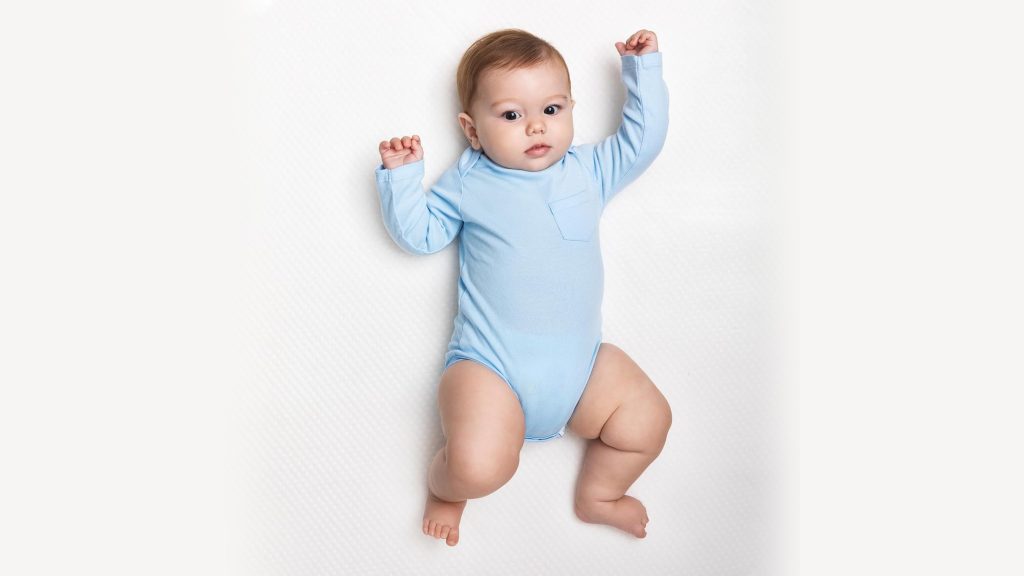
Safe sleep comes down to a short, repeatable routine: every sleep, place your baby on their back, alone, on a firm, flat surface with nothing else in the sleep space — ideally in your room, but not in your bed. These habits are the most effective things parents can do to lower the risk of sudden infant death syndrome (SIDS) and accidental suffocation, and they apply to naps just as much as to nighttime sleep.
Key takeaways
- Back to sleep for every sleep, until your baby’s first birthday — even if they were born early or spit up often.
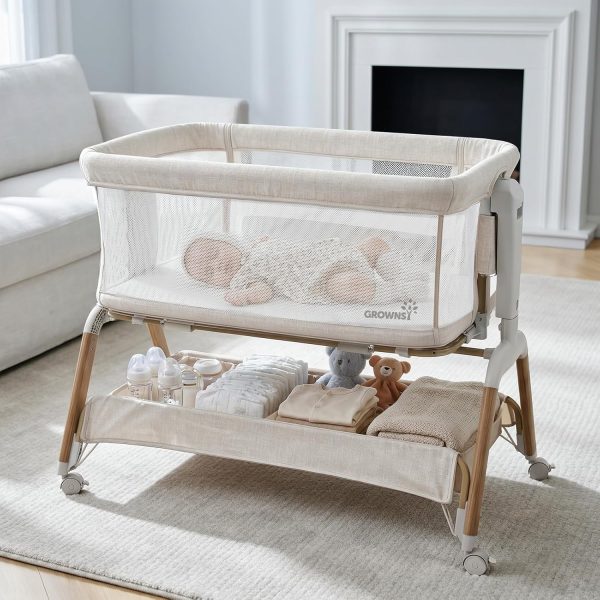
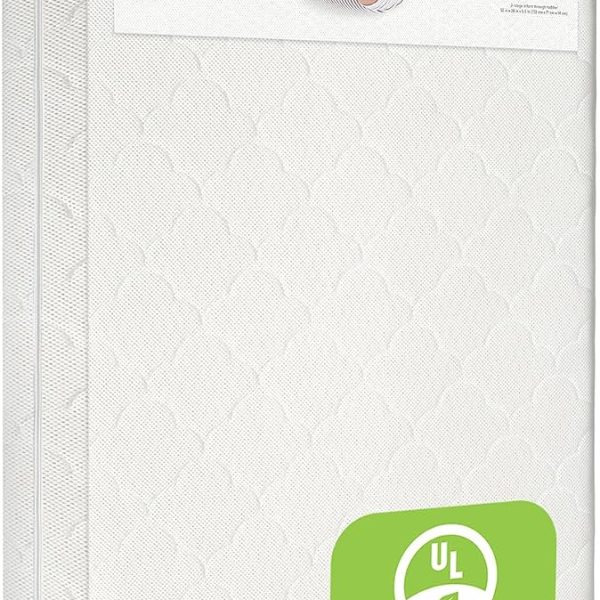
- Use a crib, bassinet or play yard that meets current safety standards, with a firm, flat mattress and a tight-fitting sheet. Nothing else.
- Share a room, not a bed, ideally for at least the first six months.
- No inclined sleepers, bumpers, pillows, loose blankets, weighted sleep sacks or positioners.
- Breastfeeding, a pacifier at sleep time, a smoke-free home and routine vaccinations all lower risk.
Why safe sleep matters
Sudden unexpected infant death (SUID) — which includes SIDS and accidental suffocation or strangulation in bed — remains a leading cause of death for babies between one month and one year old in the United States. The peak risk is between one and four months, but it continues through the first year. Since the original “Back to Sleep” campaign in the 1990s, deaths have fallen dramatically, and the American Academy of Pediatrics (AAP) updated its recommendations in 2022 to reflect newer evidence.
Nothing on this page is about blame. Many babies sleep in unsafe positions and nothing happens — which is exactly why the risk is easy to underestimate. The goal is to stack the odds firmly in your baby’s favour, every single sleep.
The ABCs: Alone, Back, Crib
Alone
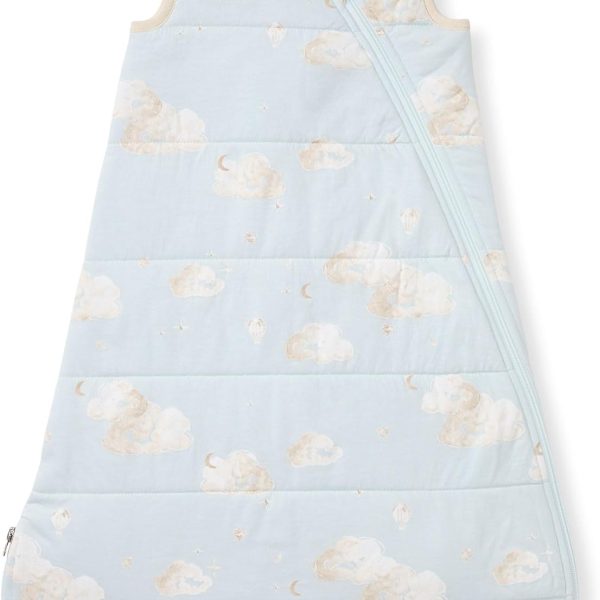
Your baby’s sleep space should contain your baby and a fitted sheet. That’s it. Pillows, quilts, crib bumpers, stuffed animals and loose blankets can cover a baby’s face or trap their head. Instead of blankets, dress your baby in one more layer than you’d be comfortable in, or use a wearable blanket (sleep sack) that fits well at the neck and arms.
Back
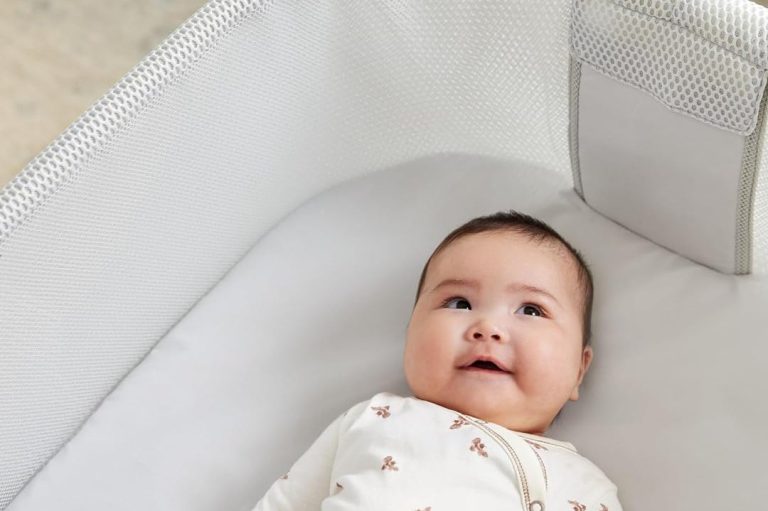
Always lay your baby down on their back — for naps, at night, at daycare and at grandparents’ homes. Healthy babies naturally swallow or cough up fluids, so back sleeping does not increase the risk of choking. Once your baby can roll from back to tummy and tummy to back on their own, you don’t need to roll them back over, but keep putting them down on their back.
Crib
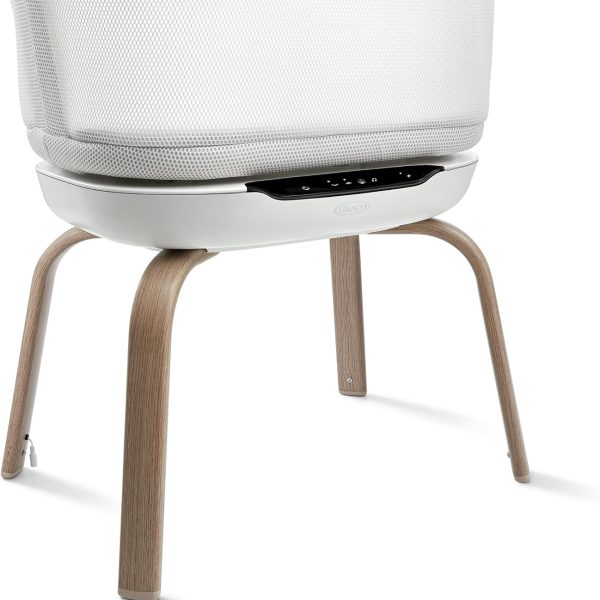
Use a crib, bassinet, portable crib or play yard that meets Consumer Product Safety Commission (CPSC) standards. The mattress should be firm, flat (not inclined more than 10 degrees) and fit snugly so you can’t fit two fingers between the mattress and the frame. Second-hand cribs should be checked against CPSC recalls, and drop-side cribs should never be used.
Room-sharing without bed-sharing
The AAP recommends that babies sleep in their parents’ room, close to the parents’ bed but on a separate surface, ideally for at least the first six months. Room-sharing makes night feeds and soothing easier and is associated with a lower risk of SIDS.
Bed-sharing is not recommended at any age in the first year. The risk is substantially higher for babies under four months, babies born preterm or with low birth weight, and whenever an adult in the bed is very tired, smokes, has had alcohol, or is taking medicines or drugs that cause drowsiness.
Products to avoid
- Inclined sleepers and sleep positioners — wedges and “nests” are not safe for sleep. Infant inclined sleepers and crib bumpers are now banned for sale in the US under the Safe Sleep for Babies Act.
- Weighted sleep sacks, swaddles and blankets — the AAP advises against them.
- Car seats, swings, bouncers and loungers for routine sleep — if your baby falls asleep in one, move them to a firm, flat surface as soon as you can. (In the car, of course, the car seat is exactly where they should be.)
- Products marketed to “prevent SIDS” — no product has been shown to do this, including home heart or breathing monitors. A consumer monitor can offer peace of mind, but it is never a substitute for a safe sleep space.
Swaddling safely
Swaddling can calm a young baby, but it has two rules. First, always place a swaddled baby on their back. Second, stop swaddling as soon as your baby shows signs of trying to roll — for some babies that is around eight weeks. Keep the wrap snug around the chest but loose at the hips so the legs can bend up and out, which protects hip development.
Other things that lower risk
- Breast milk: any amount of breastfeeding is associated with lower SIDS risk, and longer exclusive breastfeeding offers more protection. See our breastfeeding guide for practical help.
- A pacifier at sleep time: offer it once your baby is feeding well. If it falls out after they’re asleep, you don’t need to put it back in. Never hang it around the neck or clip it to clothing during sleep.
- Avoid overheating: keep the room at a comfortable temperature, skip hats indoors for sleep, and check the back of the neck rather than hands or feet to see whether your baby is too warm.
- A smoke- and vape-free environment during pregnancy and after birth.
- Routine immunisations, which are associated with a lower risk of SIDS.
- Supervised tummy time every day while your baby is awake, to build neck and shoulder strength and prevent flat spots.
A quick safe-sleep checklist
| Check | What “safe” looks like |
|---|---|
| Position | On the back, every sleep |
| Surface | Firm, flat crib/bassinet mattress, fitted sheet only |
| Location | Your room, separate sleep surface, first 6 months |
| Bedding | No pillows, bumpers, toys or loose blankets — use a sleep sack |
| Temperature | Comfortable room, no hat, not sweaty at the neck |
| Swaddle | Stop at the first signs of rolling |
| Fell asleep elsewhere? | Move to the crib or bassinet as soon as possible |
Choosing a sleep space? Our sleep & nursery picks focus on bassinets, cribs and firm mattresses, and once the basics are in place, our guides to baby sleep schedules and wake windows help with the “how much and when.”
Safe-sleep basics we like
Frequently asked questions
When can my baby sleep on their tummy?
Keep placing your baby on their back until their first birthday. If they roll onto their tummy by themselves and can roll both ways, it’s fine to leave them there — just make sure the sleep space is empty.
Is it okay for my baby to nap in the stroller or car seat?
Short, supervised naps happen. But sitting devices aren’t designed for routine sleep, and a slumped position can restrict breathing in young babies. Transfer to a flat surface when you can, and never leave a sleeping baby unattended in a car seat outside the car.
Can I use a crib bumper if it’s “breathable”?
No. The AAP advises against all bumpers, including mesh ones, and padded crib bumpers are banned for sale in the US.
My baby spits up a lot. Is back sleeping still safe?
Yes. Babies have a protective gag reflex, and research has not found an increased risk of choking in back-sleeping babies, including those with reflux. Ask your pediatrician if you’re concerned.