
Breastfeeding is natural, but it’s also a skill that you and your baby learn together — and the first two weeks are usually the steepest part of the curve. The essentials: feed early and often (8–12 times in 24 hours), focus on a deep latch, watch diapers rather than the clock, and get skilled help quickly if something hurts or doesn’t feel right.
Key takeaways
- Skin-to-skin contact and a first feed within the hour after birth help get breastfeeding off to a good start.
- Newborns feed 8–12 times a day. Frequent feeding builds your supply — it isn’t a sign you don’t have enough.
- Nipple pain beyond the first few seconds of a feed usually means the latch needs adjusting.
- Wet and dirty diapers plus steady weight gain are the best signs your baby is getting enough.
- Breastfed and partially breastfed babies need a vitamin D supplement (400 IU a day) from the first few days.
Before your baby arrives
- Take a class or watch videos of real feeds so you know what a good latch looks like.
- Find your support in advance: a lactation consultant (IBCLC), a local breastfeeding group, or your pediatrician’s lactation service. Save the numbers.
- Tell your birth team you’d like skin-to-skin and an early first feed when possible.
- Gather a few basics: nursing bras, breast pads, nipple balm and a comfortable pillow. A pump is useful but not essential on day one.
The first feeds
In the first days your body makes colostrum — small amounts of concentrated, antibody-rich milk that is exactly what your newborn needs. Their stomach is tiny, so frequent short feeds are normal. Your milk usually “comes in” (becomes more plentiful) between day two and day five; breasts may feel fuller and heavier.
How to get a good latch
- Get comfortable with your back supported and your baby’s whole body facing you — tummy to tummy.
- Line up nose to nipple. Your baby’s head should tilt back slightly.
- Wait for a wide-open mouth — like a yawn — then bring baby to breast quickly (not breast to baby).
- Aim for an asymmetric latch: more of the areola visible above the top lip than below the bottom lip.
- Check the signs: lips flanged outward, chin pressed into the breast, cheeks rounded (not dimpled), and a rhythm of sucks and swallows.
If it pinches beyond the first few sucks, slide a clean finger into the corner of your baby’s mouth to break the suction and try again.
Positions worth trying
- Laid-back (biological nurturing): recline and let your baby lie on your chest — great in the early days.
- Cross-cradle: good control of the head while you’re both learning.
- Football (rugby) hold: comfortable after a C-section and for larger breasts.
- Side-lying: restful for night feeds — move your baby back to their own sleep space afterwards.
Is my baby getting enough milk?
| Day | Wet diapers | Dirty diapers |
|---|---|---|
| Day 1 | 1+ | 1+ (black, sticky meconium) |
| Day 2 | 2+ | 1–2 (dark green-black) |
| Day 3 | 3+ | 2+ (greenish, changing) |
| Day 4 | 4+ | 3+ (turning yellow) |
| Day 5 onwards | 6+ heavy, pale | 3+ yellow, seedy |
Other good signs: you can hear swallowing, your baby seems content after most feeds, and they’re back to birth weight by around two weeks. It’s normal for babies to lose up to about 7–10% of their birth weight in the first few days.
Common challenges and what helps
Sore or cracked nipples
Almost always a latch issue. Get it checked early. Expressing a little milk onto the nipple after feeds or using a lanolin or similar balm can soothe healing skin.
Engorgement
Feed frequently, use gentle hand expression just to soften the breast before latching, and use cold packs between feeds for swelling. Avoid aggressive pumping or deep massage, which can make inflammation worse.
Blocked ducts and mastitis
A tender lump, a red or hot area, or flu-like symptoms with a fever need prompt attention. Keep feeding normally from that side, rest, use cold compresses and over-the-counter pain relief your doctor says is safe — and call your healthcare provider, especially if you have a fever or feel unwell.
Worries about low supply
True low supply is less common than it feels. Cluster feeding (several feeds close together, often in the evening) is normal, especially around growth spurts. If diaper counts or weight gain are low, see a lactation consultant — frequent feeding, breast compressions and pumping after feeds can help.
Pumping and storing breast milk
Many parents start pumping around three to four weeks once breastfeeding is established — earlier if advised. Follow CDC storage guidelines for freshly expressed milk:
| Where | How long |
|---|---|
| Room temperature (up to 77°F / 25°C) | Up to 4 hours |
| Refrigerator (40°F / 4°C) | Up to 4 days |
| Freezer (0°F / –18°C) | About 6 months is best; up to 12 months is acceptable |
| Thawed, previously frozen milk | 1–2 hours at room temperature, or 24 hours in the fridge — never refreeze |
| Leftover milk from a feed | Use within 2 hours after your baby finishes, then discard |
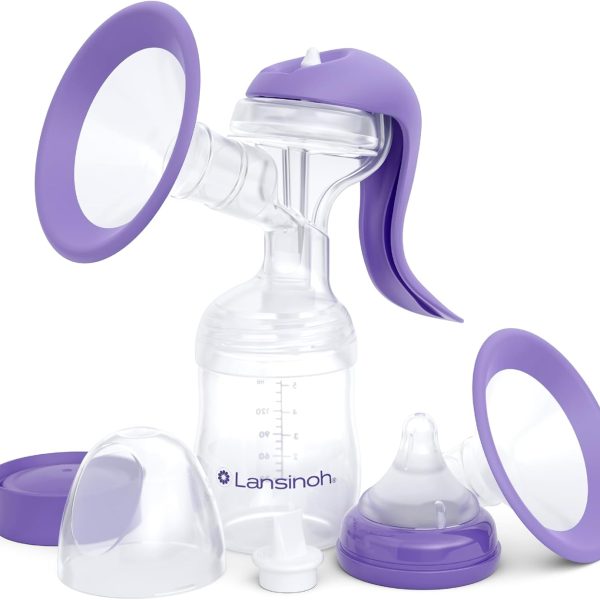
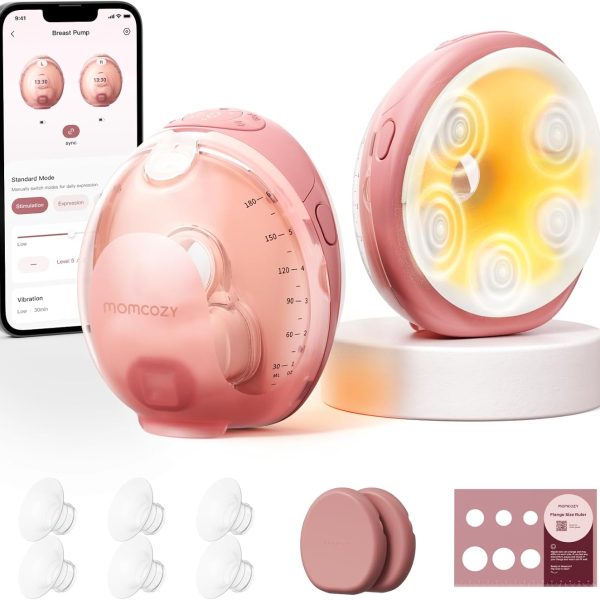
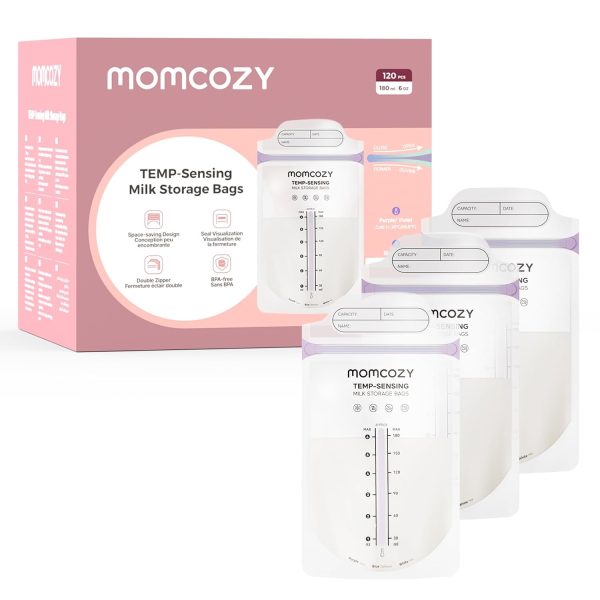
If you’ll be bottle-feeding expressed milk, our bottle feeding guide explains paced feeding, which helps protect breastfeeding. You’ll also find pumps and storage bags in our feeding picks.
Taking care of yourself
Eat regular meals and snacks, keep water within reach during feeds, and rest when you can. Most medications are compatible with breastfeeding, but always check with your doctor or pharmacist. And remember: any amount of breast milk benefits your baby. Combination feeding or moving to formula is a valid choice — a fed baby and a well parent matter most.
- your baby has fewer wet diapers than expected, dark urine, or is very sleepy and hard to wake for feeds;
- their skin or eyes look increasingly yellow;
- you have a fever, a red painful area on the breast, or feel unwell;
- pain continues throughout feeds despite adjusting the latch.
Pumping and storage picks
Frequently asked questions
How long should each feed last?
Anywhere from 10 to 45 minutes is normal in the early weeks. Let your baby finish the first side before offering the second.
How long should I breastfeed?
The AAP recommends exclusive breastfeeding for about six months, then continuing alongside solid foods for as long as you and your baby wish — up to two years or beyond.
Can I breastfeed if I have a cold?
Usually yes — your milk passes on antibodies. Wash your hands well and check any medicines with a pharmacist.