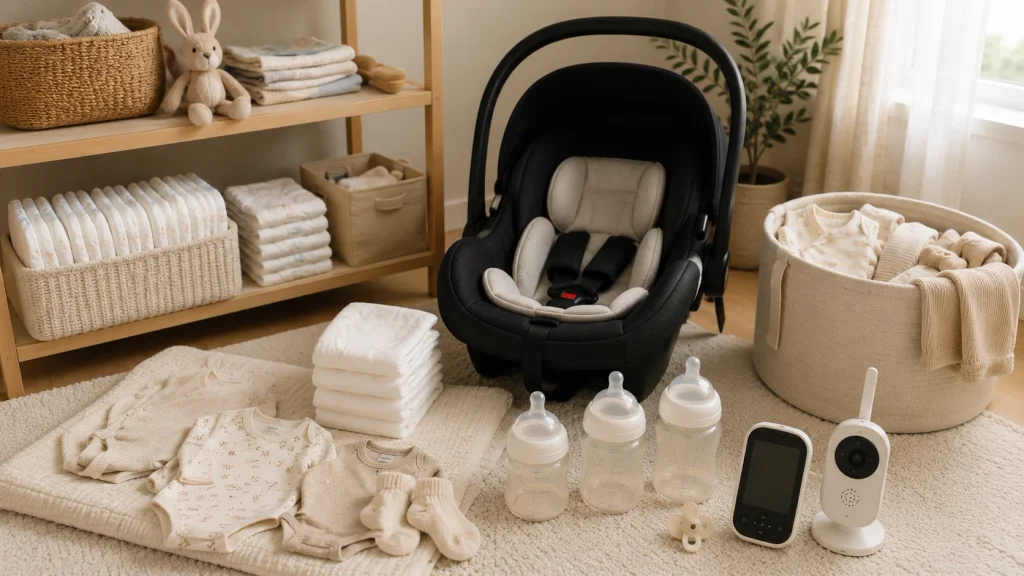
You need far less than the baby aisle suggests. For the first six weeks, the true essentials are a safe place to sleep, a rear-facing car seat, a way to feed, diapering supplies, a few days’ worth of simple clothes, and basic health items. Everything else can wait until you know what your baby — and your home — actually needs. Here’s a practical checklist with quantities.
Key takeaways
- Non-negotiables: a crib, bassinet or play yard with a firm, flat mattress, and a correctly installed rear-facing car seat.
- Buy newborn and 0–3 month clothes in small quantities — babies outgrow them in weeks.
- Skip bumpers, pillows, inclined sleepers, positioners and weighted sleep products.
- A digital thermometer and your pediatrician’s number are must-haves.
- Building a registry? Our registry checklist sorts items by “now,” “soon” and “later.”
Sleep
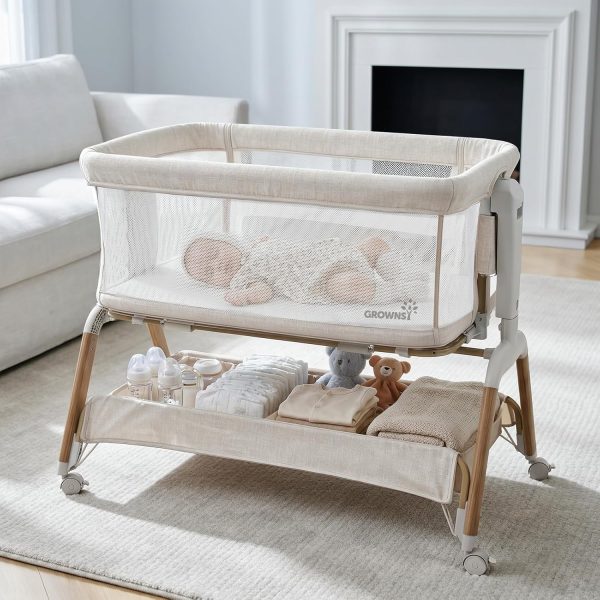
- Crib, bassinet or play yard meeting current safety standards (1). A bassinet in your room is convenient for the first months.
- Firm, flat, tight-fitting mattress (1).
- Fitted sheets (2–3), so there’s always a spare for middle-of-the-night changes.
- Wearable blankets / sleep sacks (2–3) — safer than loose blankets.
- Swaddles (2–3) for the early weeks — stop when your baby shows signs of rolling.
- Blackout blinds and a white-noise machine — nice to have.
Browse cribs, bassinets and mattresses in our sleep & nursery picks.
Feeding
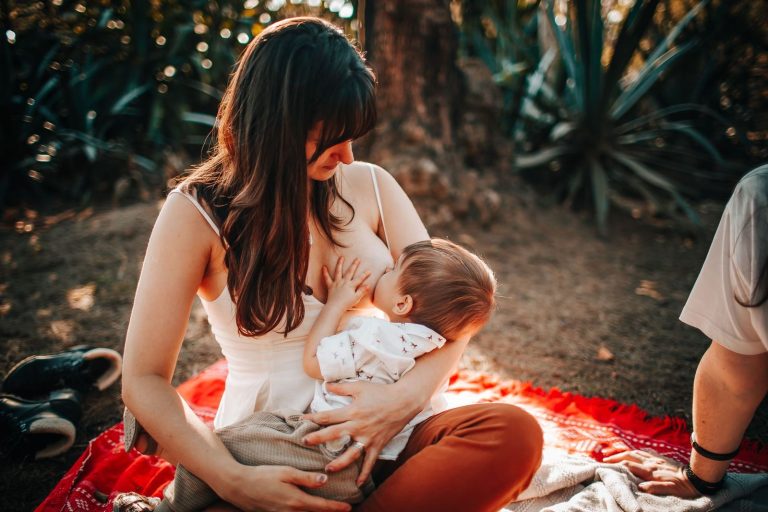
If breastfeeding
- Nursing bras (2–3) and breast pads
- Nipple balm
- A breast pump if you’ll be away from your baby or want to build a supply (manual or electric)
- Milk storage bags or containers
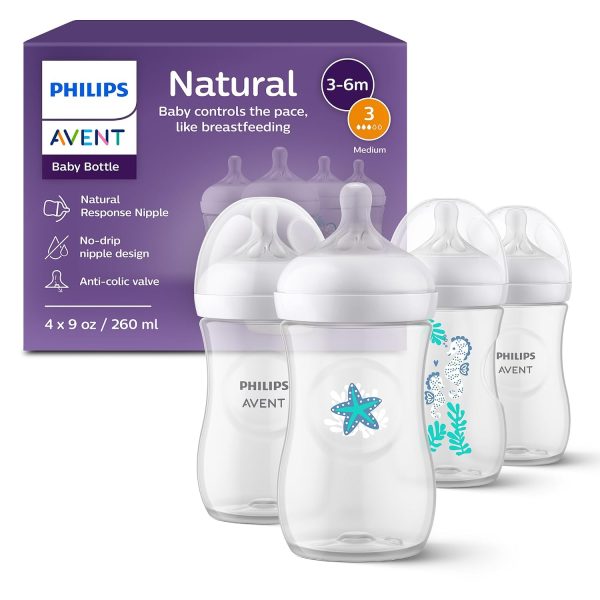
- A few bottles with slow-flow nipples, just in case
If formula-feeding
- Bottles (6–8) with slow-flow nipples
- Infant formula (start with one or two containers until you know what suits your baby)
- Bottle brush and drying rack
- A way to sanitise — boiling pot, steam steriliser or dishwasher with a sanitise cycle
Either way
- Burp cloths (6–10) — muslin squares are the most versatile
- A comfortable chair for feeds
Our breastfeeding and formula feeding guides cover the how-to.
Diapering
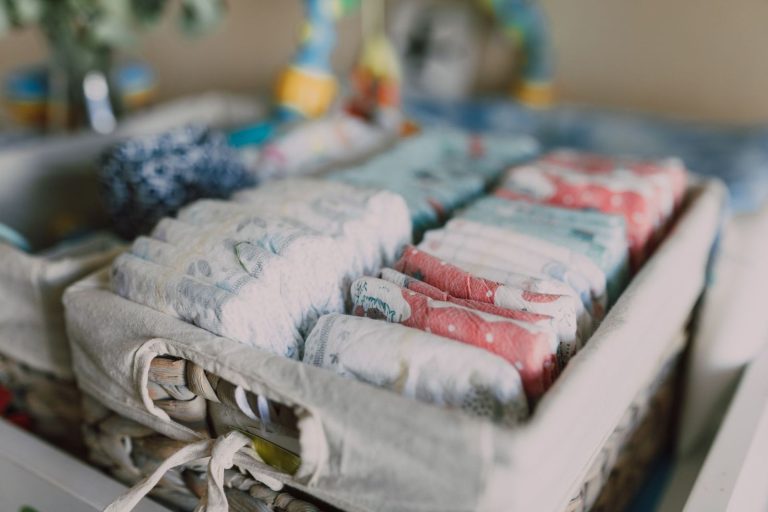
- Newborn diapers: one or two packs to start — some babies skip newborn size quickly. Then size 1.
- Wipes, fragrance-free (or soft cloths and warm water)
- Barrier cream with zinc oxide
- Changing pad with a safety strap, on a dresser or the floor — and never leave your baby unattended on a raised surface
- Diaper pail or lidded bin
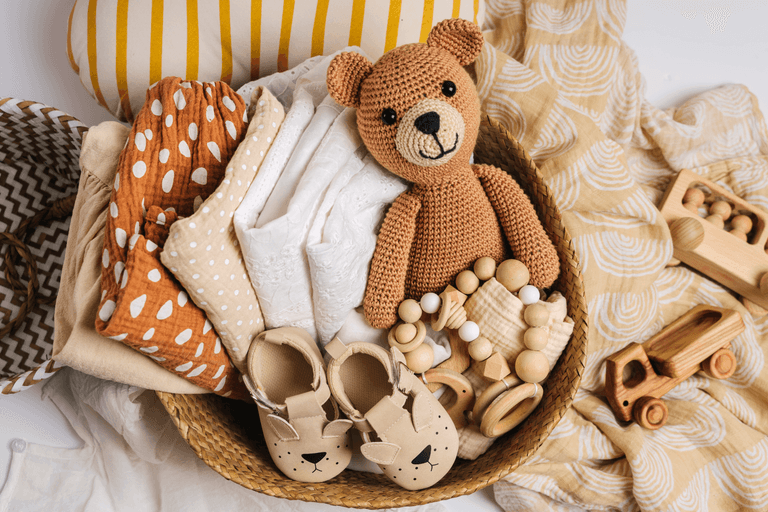
Clothing (newborn and 0–3 months)
| Item | Quantity | Tip |
|---|---|---|
| Bodysuits | 6–8 | Envelope necks make blowouts easier to deal with |
| Footed sleepers | 6–8 | Zips beat snaps at 3 am |
| Pants / leggings | 3–4 | Soft waistbands only |
| Socks | 4–6 pairs | Babies lose them constantly |
| Hats | 1–2 | For outdoors only — not for sleep indoors |
| Outer layer | 1–2 | A cardigan or fleece suit, depending on season |
Wash new clothes in a mild, fragrance-free detergent before first wear.
Health and safety
- Digital thermometer (rectal is most accurate for babies under three months)
- Nail file or baby clippers
- Nasal saline drops and a bulb syringe or nasal aspirator
- Infant acetaminophen — only use as directed by your pediatrician, especially under three months
- Vitamin D drops if breastfeeding
- Baby monitor — optional; useful if your baby’s room is out of earshot
Bathing
- Infant bathtub or bath support
- Soft washcloths (4–6) and hooded towels (2)
- Mild, fragrance-free baby wash
Getting around
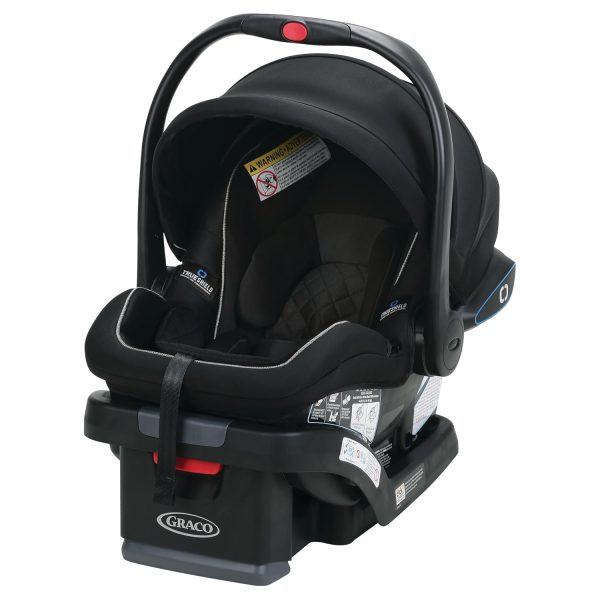
- Rear-facing infant or convertible car seat — the one item you need before leaving the hospital. Register it for recall alerts and have the installation checked.
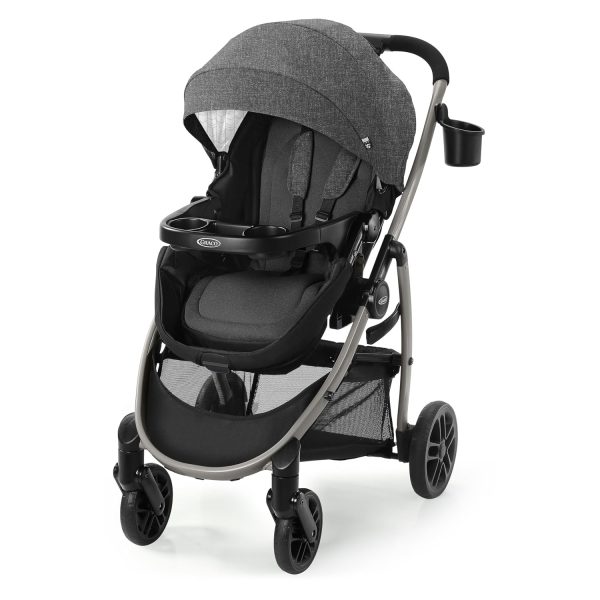
- Stroller suitable from birth (lie-flat or compatible with your car seat)
- Baby carrier or wrap — keep your baby’s face visible and kissable, chin off the chest
- Diaper bag stocked with diapers, wipes, a change of clothes, burp cloth and a changing mat
See car seats, strollers and travel systems in our gear & travel picks.
What can wait
High chair (around six months), play gym (nice from a few weeks), activity toys, a bigger crib if you start with a bassinet, baby gates and outlet covers (before crawling), and most “convenience” gadgets. Buying later means buying what fits your real life.
Essentials from the checklist
Frequently asked questions
Do I need a changing table?
No. A changing pad on a sturdy dresser or the floor works well. Keep supplies within arm’s reach and one hand on your baby.
Is it okay to buy second-hand?
Clothes, bathtubs and many toys, yes. Avoid second-hand car seats unless you know their full history, and check any crib or sleep product against CPSC recalls.
How many diapers does a newborn use?
Typically 8–12 a day in the early weeks — roughly 70–80 a week.