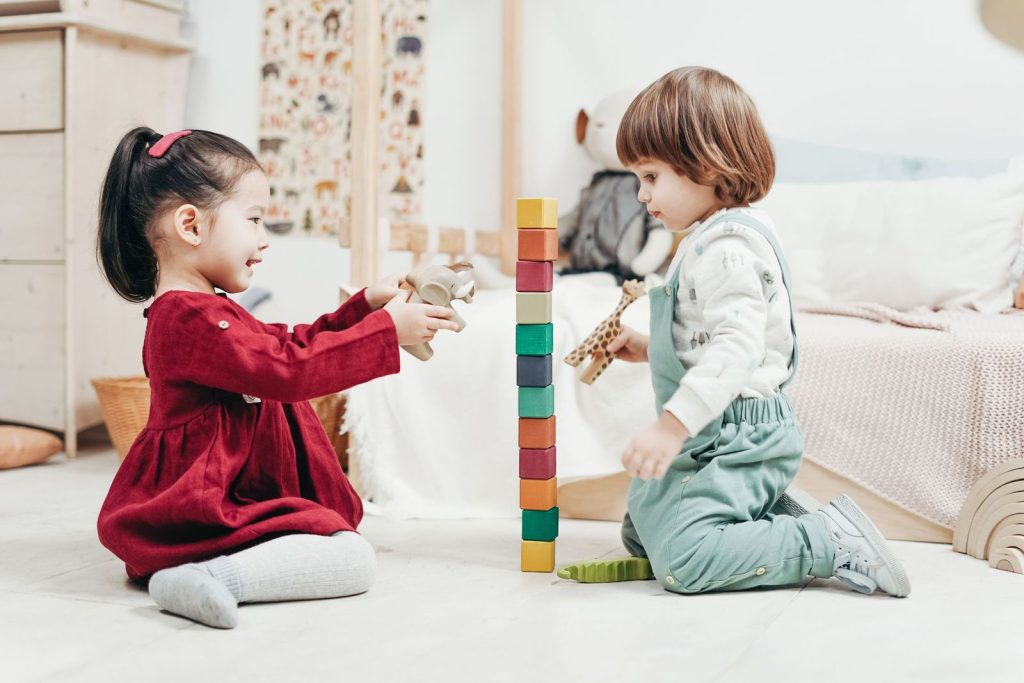
The American Academy of Pediatrics recommends avoiding screen media for children under 18–24 months, other than video-chatting with family. From 18–24 months, if you introduce media, choose high-quality programmes and watch together. For ages 2–5, limit screen use to about one hour a day of quality content. Real-world play and conversation remain the best way young children learn.
Key takeaways
- Under 18 months: video chat is fine; otherwise skip screens.
- 18–24 months: if you use media, pick quality shows and watch together.
- 2–5 years: about 1 hour a day of high-quality content, co-viewed when possible.
- No screens during meals or in the hour before bed, and none in the bedroom.
- Background TV counts too — it reduces talk and play.
Why the caution for babies?
Babies and young toddlers learn through face-to-face interaction, touch and movement. Research shows they struggle to transfer what they see on a screen into real life before about 2 years — the “video deficit”. Screens can also crowd out sleep, play and conversation, and background TV reduces the number of words adults speak to children.
Guidance at a glance
| Age | AAP guidance |
|---|---|
| 0–18 months | Avoid screens other than video-chatting |
| 18–24 months | If introduced, choose high-quality content and watch together |
| 2–5 years | Limit to about 1 hour a day of high-quality programmes; co-view and talk about it |
| All ages | Screen-free meals, bedrooms and the hour before bed; a family media plan |
Making screen time better
- Watch together and talk about what you see.
- Choose slow-paced, educational shows without constant ads or autoplay.
- Use a timer and a predictable “off” routine.
- Avoid screens as the main way to calm upset — children need to learn other ways to settle.
- Model it: put your own phone away during play and meals.
Screen-free ideas that hold attention
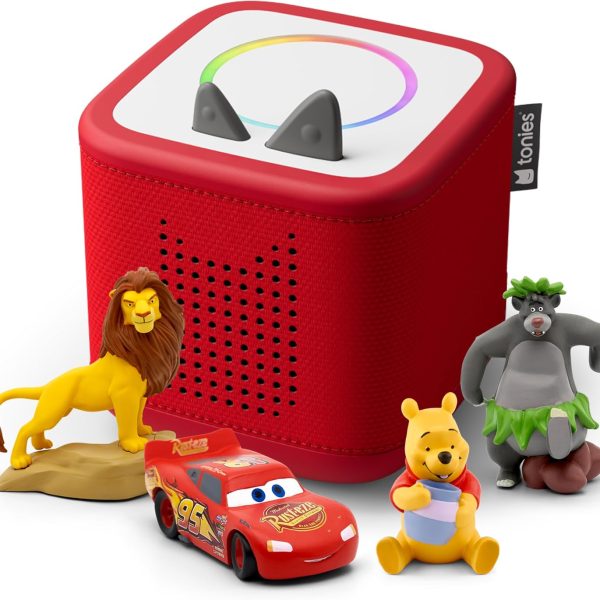
- Audio stories and songs.
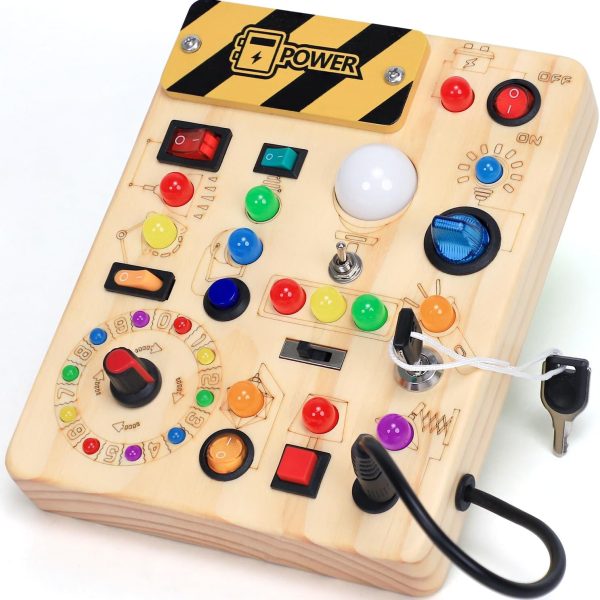
- Busy boards, posting boxes and simple puzzles.
- Water play in a tub with cups (always supervised).
- Board books in a basket at your child’s level.
- “Helping”: washing vegetables, wiping the table, sorting laundry.
Video calls with family
Video chats with grandparents and loved ones are encouraged — they’re interactive and responsive, which is what babies need. Hold your baby on your lap, wave and talk together.
Frequently asked questions
Is “educational” baby TV okay?
For under-18-month-olds, there’s little evidence it helps learning. Talking, reading and playing together do much more.
What if I need a few minutes to shower?
Real life happens. Brief, occasional use isn’t harmful — just keep it the exception and choose calm content.
Are audio players screen time?
No — audio stories and music don’t involve screens, though they shouldn’t replace conversation and play.
More on development: language development and Montessori at home.