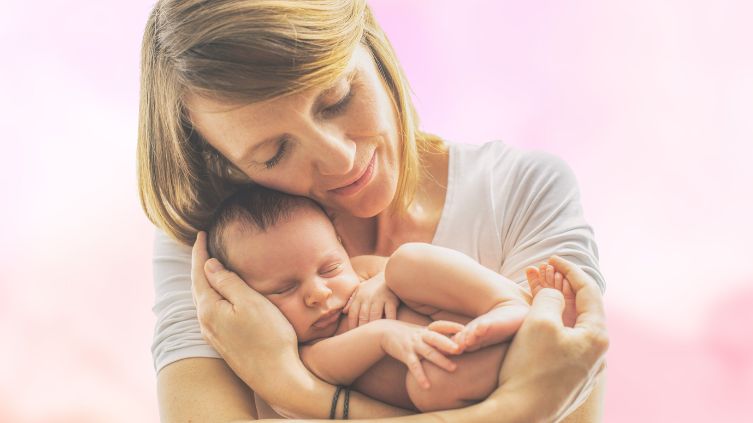
Babies start learning language long before their first word. They listen to voices in the womb, coo by 2 months, babble by 6, and usually say a first meaningful word around 12 months. The biggest booster isn’t flashcards or apps — it’s everyday back-and-forth conversation: you talk, your baby responds (with a look, a coo or a babble), and you respond again.
Key takeaways
- Talk about what you’re doing, seeing and feeling — all day.
- Respond to babbles as if they’re conversation (“serve and return”).
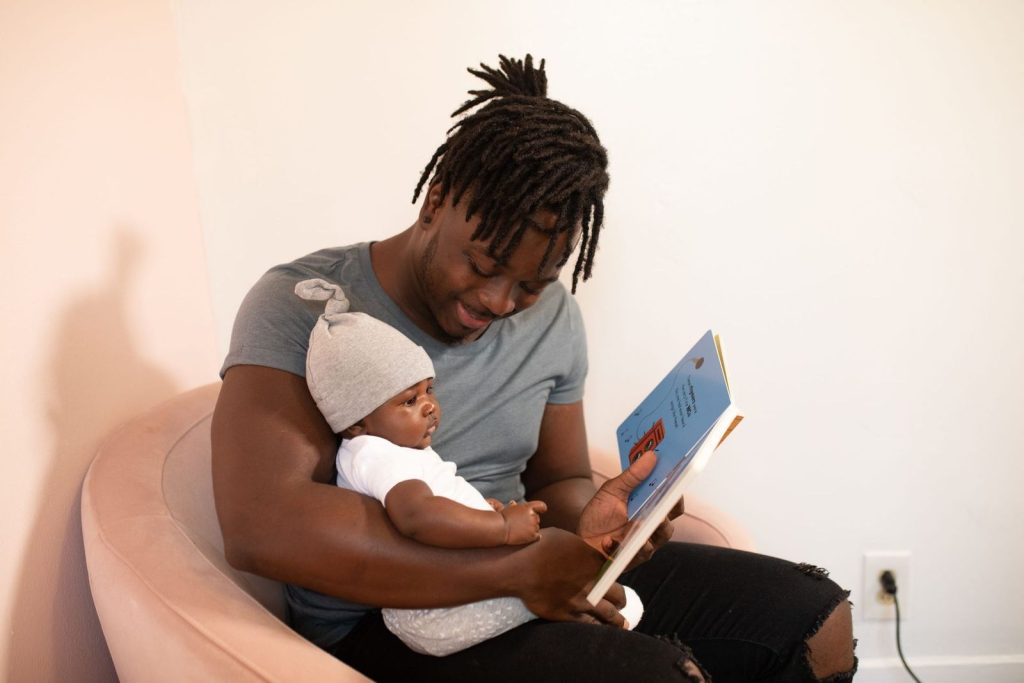
- Read together every day from birth; let your baby turn pages and point.
- Limit screens; live interaction teaches language far better than video.
- If your baby isn’t babbling by 9 months or saying any words by 15–18 months, ask your pediatrician.
Language milestones at a glance
| Age | Typical skills |
|---|---|
| 2 months | Makes sounds other than crying; reacts to loud sounds |
| 4 months | Coos; makes sounds back when you talk; turns to your voice |
| 6 months | Takes turns making sounds; blows raspberries; squeals |
| 9 months | Babbles “mamama”, “bababa”; lifts arms to be picked up |
| 12 months | Waves bye-bye; says “mama”/”dada” or a special name; understands “no” |
| 18 months | Tries to say three or more words besides mama/dada; follows simple directions |
| 24 months | Says two words together (“more milk”); points to things in a book |
See our full milestones by month guide, and use the baby age calculator to find the next checkpoint.
Everyday ways to build language
- Narrate: “Now we’re putting on your blue socks — one, two!”
- Pause and wait: give your baby time to “answer” with a sound or gesture.
- Expand: if your toddler says “ball”, you say “Yes, a big red ball!”
- Sing and rhyme: songs with actions are brilliant for rhythm and anticipation.
- Name feelings: “You’re frustrated — that block keeps falling.”
- Use your home language(s): bilingual babies learn both; speak the language you’re most fluent in.
Reading together
Start with high-contrast and board books, then lift-the-flap and touch-and-feel books. Point, name pictures and ask questions. It’s fine to repeat the same book — repetition builds vocabulary.
Audio and music: a screen-free option
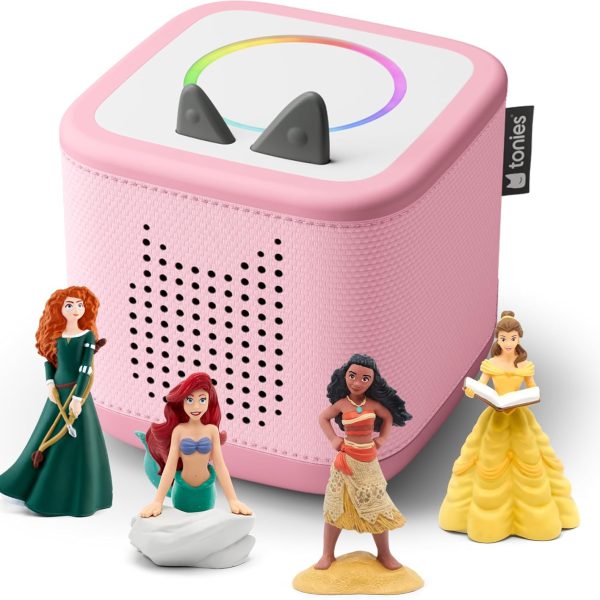
For toddlers, screen-free audio players offer stories and songs to listen to, which can encourage imagination and listening skills — ideally alongside you rather than instead of conversation.
What about screens?
The AAP recommends avoiding screen media (other than video-chatting) for children under 18–24 months. Babies learn words best from real people responding to them. More in our screen time guide.
- doesn’t respond to sounds or turn toward voices by 6 months;
- isn’t babbling by 9 months, or doesn’t point or wave by 12–15 months;
- isn’t saying any words by 15–18 months;
- loses words or skills they used to have.
A hearing test and early intervention help most when started early — you don’t need a referral to contact your state’s early intervention program.
Frequently asked questions
Does baby talk help or hurt?
Speaking in a warm, sing-song “parentese” with real words helps babies tune in to language.
Do boys talk later than girls?
On average slightly, but not enough to wait and see if you’re worried.
Will two languages confuse my baby?
No. Bilingual children may mix languages at first, which is normal.