A contact nap is a nap your baby takes on you: in your arms, on your chest or in a carrier. Contact naps are completely normal, especially in the first 3–4 months. Your warmth, heartbeat and movement feel familiar after the womb. They are safe as long as you stay awake and alert. If you feel yourself getting drowsy, put your baby down on their back in their own crib or bassinet. When you want your hands back, you can move naps to the crib gradually, one at a time.
Key takeaways
- Contact naps don’t create “bad habits”. They’re a normal stage, and you can enjoy them.
- The one firm rule: the adult stays awake. Never doze with your baby on a sofa or armchair.
- Babywearing naps are fine when the carrier follows the TICKS checklist.
- To transition, start with the first nap of the day, when sleep pressure helps most.
- Wait for deep sleep (limp arms, slow breathing) before transferring.
Why some babies only nap on you
Newborns sleep in short cycles and wake easily during light sleep. On a parent, every stir is met with warmth and movement, so they drift back to sleep. Flat on their back in a still crib, the same stir can turn into a full wake-up. That’s why so many babies nap for 2 hours on you and 25 minutes in the crib. It’s not a sign that something is wrong.
The safety rules
- Stay alert. If you might fall asleep, move your baby to a safe sleep space on their back first.
- Never fall asleep with your baby on a sofa, couch or armchair. These are among the most dangerous places for an adult and a baby to sleep together.
- Keep your baby’s face visible and their nose and mouth free, not pressed into your chest or clothing.
- Don’t contact nap after alcohol, sedating medicines or when you’re extremely exhausted. Use the crib instead.
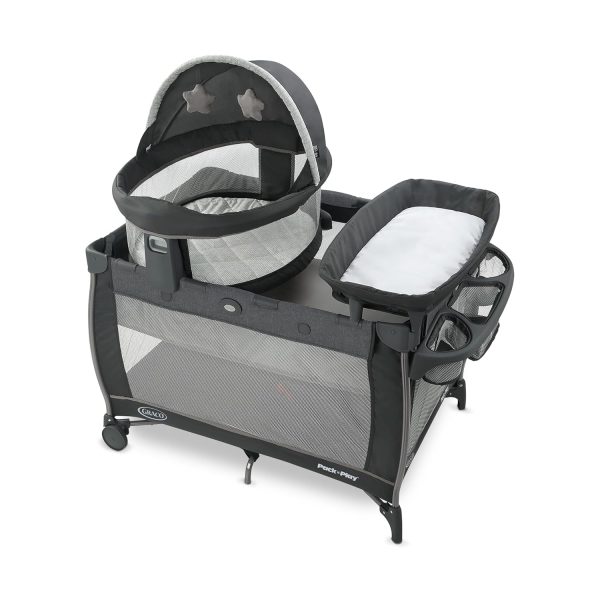
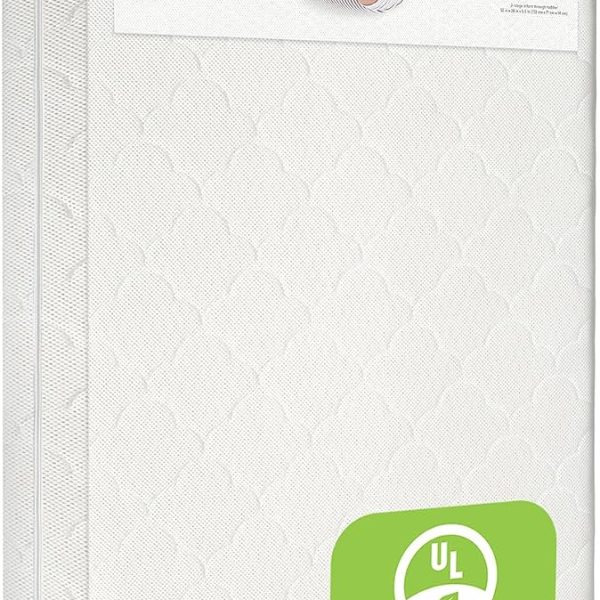
- For night sleep and any sleep when you’re tired, use a crib, bassinet or play yard with a firm, flat mattress and nothing else in it.
Read the full safe sleep checklist for the details.
Napping in a carrier
Carrier naps can be a lifesaver on busy days. Follow TICKS: Tight, In view at all times, Close enough to kiss, Keep chin off chest, Supported back. Check often that your baby’s chin is up and their airway is clear. Our baby carrier guide explains how to get the fit right.
How to move some naps to the crib
You don’t have to stop contact naps all at once. Many families keep one a day for months. A gentle plan:
- Pick one nap, usually the first nap of the day, when babies settle most easily.
- Watch the wake window. An overtired baby fights sleep anywhere. Our nap schedule calculator suggests timing by age.
- Use a short pre-nap routine: a fresh diaper, a sleep sack, curtains closed, white noise on and the same song every time.
- Wait for deep sleep. After 15–20 minutes, look for limp arms that flop when lifted and slow, even breathing.
- Transfer slowly. Lower your baby feet first, then bottom, then head, keeping your body close. Leave a hand on their chest for a minute before sliding it away.
- If they wake, try once more, then rescue the nap however works (on you, in the stroller) and try again tomorrow.
Expect it to take one to two weeks before crib naps feel routine. Short crib naps of 30–45 minutes are normal at first. See white noise and wake windows for more tips.
Frequently asked questions
Will contact naps spoil my baby?
No. Babies can’t be spoiled by being held. Many babies who loved contact naps later nap happily in a crib, with or without a gradual transition.
At what age should contact naps stop?
There’s no deadline. Many parents start moving some naps to the crib around 3–6 months, when sleep cycles mature and naps become more predictable.
Is it safe if my partner watches while I sleep with the baby on me?
It’s safer to move your baby to their own sleep space. An observer can fall asleep too, and a sleeping adult can’t keep a baby’s airway clear.