White noise is one of the simplest sleep aids for babies: a steady “shhh” that masks household sounds and acts as a cue that it’s time to sleep. Used sensibly it is safe. The key is moderate volume (around 50 decibels — about a quiet shower), the machine placed well away from your baby, and continuous sound rather than sudden changes.
Key takeaways
- Keep the volume low: about 50 dB at the crib is a sensible ceiling. If you have to raise your voice to talk over it, it’s too loud.
- Place the machine at least 7 feet (about 2 metres) from your baby’s head — never in or on the crib.
- Choose a steady, low-pitched sound without loops, beeps or sudden changes.
- White noise supports good sleep habits; it doesn’t replace a safe sleep space or a consistent routine.
Why white noise works
Inside the womb, babies hear a constant whoosh of blood flow that is surprisingly loud. A steady sound after birth can feel familiar and calming. It also smooths out the spikes in background noise — a dog barking, a door, a sibling — that can wake a baby during light sleep phases. Over time, switching it on becomes part of the sleep routine, a reliable signal that sleep is coming.
How loud is too loud?
A study published in Pediatrics found that some infant sleep machines could exceed recommended noise limits at maximum volume when placed close to the crib. Practical rules:
- Start low and only turn up as much as needed to mask household noise.
- Use the “talk test”: stand by the crib — you should be able to speak at a normal volume and be heard.
- Measure if you like: free phone sound-meter apps give a rough reading; aim for about 50 dB at your baby’s head.
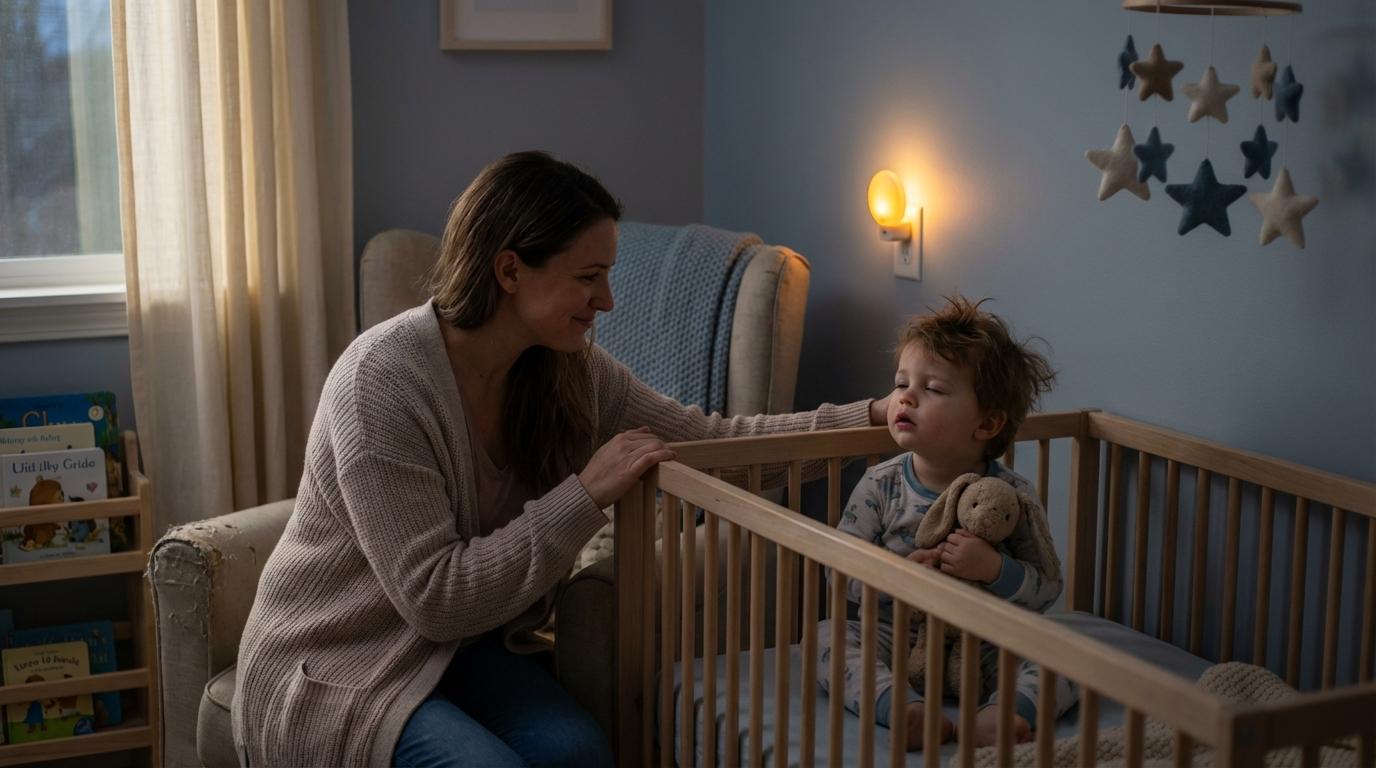
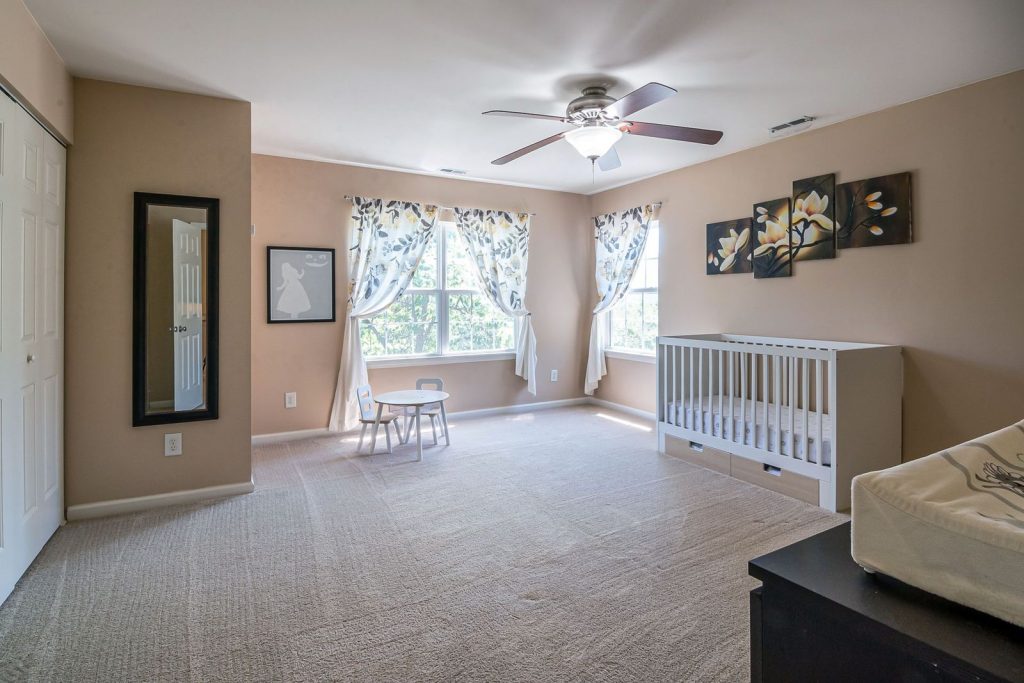
- Distance matters: place the machine across the room, at least 7 feet away, and never in the crib or attached to it.
Which sound is best?
| Sound | Character | Good for |
|---|---|---|
| White noise | Even “hiss” across frequencies | Masking sharp sounds |
| Pink / brown noise | Deeper, softer rumble | Many babies and parents find it calmer |
| Shushing or heartbeat | Womb-like rhythm | Newborns in the early weeks |
| Lullabies or nature tracks | Changing melody | Wind-down time — less ideal all night, because changes can wake light sleepers |
All night or just to fall asleep?
If your baby wakes at night from household noise, running the sound continuously is usually more helpful than a timer that switches off mid-sleep — the sudden silence can itself wake some babies. If the room is quiet anyway, a short sound session at bedtime may be all you need.
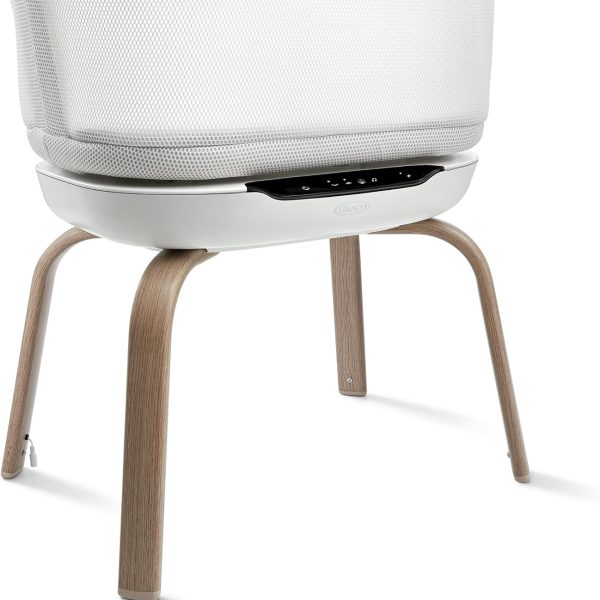
Some bassinets include built-in sounds. If you use them, keep the volume low and the same rules apply.
White noise and sleep safety
White noise helps babies settle, but it is not a safety device. Keep following the basics: on the back, alone, in an empty crib or bassinet, room-sharing without bed-sharing. Our safe sleep guide has the full checklist, and our sleep schedule guide shows where white noise fits into a bedtime routine.
How to wean off white noise
There’s no rush — many toddlers and adults sleep with a fan or sound machine. If you want to stop, lower the volume a little every few nights over two to three weeks until it’s off. Travel is easier if you keep a phone app or portable machine as a backup.
Frequently asked questions
Can white noise damage my baby’s hearing?
Very loud sound over long periods can harm hearing. At moderate volume and a sensible distance, white noise is considered safe.
Will my baby become dependent on it?
It becomes a sleep association — like a dark room or a sleep sack. That’s usually helpful, and you can fade it gradually later.
Is a fan just as good?
A fan provides steady background noise and air circulation. Point it away from your baby and keep cords out of reach.