The best baby carrier is the one that fits both you and your baby, keeps your baby’s airway clear, and supports their hips. For newborns, a stretchy wrap or a soft-structured carrier with a newborn setting works well. From about 4–6 months, buckle carriers are easiest for most parents. A framed hiking backpack is only for babies who can sit well on their own. Whatever you choose, follow the TICKS checklist every time.
Key takeaways
- TICKS: Tight, In view at all times, Close enough to kiss, Keep chin off chest, Supported back.
- For healthy hips, your baby’s knees should be level with or higher than their bottom, with thighs supported to the knee (the “M” position).
- Check the carrier’s minimum weight. Many start at 7–8 lb, and some need an insert for newborns.
- Avoid bag-style slings that curl a baby into a C-shape. They have been linked to suffocation in young infants.
- Don’t cook, drink hot drinks, run or cycle while wearing your baby.
Types of baby carriers
| Type | Best for | Pros | Cons |
|---|---|---|---|
| Stretchy wrap | Newborns to about 4 months | Snug, soft and cozy; very adjustable | Takes practice to tie; can sag with heavier babies |
| Woven wrap | Newborn to toddler | Very supportive; many carry positions | Steeper learning curve |
| Ring sling | Quick ups and downs, from newborn to toddler | Fast and compact; good for hip carries | Weight sits on one shoulder |
| Soft-structured carrier (buckles) | Most families, from about 4 months (or newborn with a built-in setting) | Easy to use; padded straps; shareable between parents | Bulkier; fit varies by brand |
| Meh dai / half-buckle | Baby to toddler | A mix of wrap and buckle; adjustable | Long straps to manage |
| Framed hiking backpack | Babies who sit unassisted (often 6 months+) | Comfortable for long walks; storage | Heavy, bulky and expensive |
TICKS: the safe babywearing checklist
- Tight. The carrier holds your baby snugly against you, with no slack that lets them slump.
- In view at all times. You can see your baby’s face by glancing down; fabric doesn’t cover it.
- Close enough to kiss. Your baby’s head is high on your chest, close enough to kiss the top of it.
- Keep chin off chest. There’s at least a finger’s width under your baby’s chin, so their airway stays open.
- Supported back. Your baby’s back is supported in a natural position, and their tummy and chest are against you.
The TICKS checklist comes from the UK Sling Consortium. Check it every time you put your baby in, and every so often while they’re in.
Hip-healthy positioning
In the carrier, your baby’s legs should be spread around your body, with thighs supported from knee to knee and knees at or above bottom level. This “M” or spread-squat position supports healthy hip development. Avoid carriers that leave legs dangling straight down from a narrow crotch panel for long periods.
Facing out?
Some carriers allow a forward-facing position once your baby has good head and neck control (check the manual, often from 4–6 months). Use it for short periods when your baby is alert, and turn them back in for naps. Babies can’t turn away from overstimulation when facing out, and their airway isn’t supported if they fall asleep.
What to check before you buy
- Weight range, and whether newborns need an insert.
- Fit for both adults, if you’ll share it: waist band size and shoulder strap adjustment.
- Breathable fabric if you live somewhere hot.
- Safety labelling that meets current US standards (ASTM F2236 for soft infant carriers, ASTM F2907 for slings).
- Recalls: check the model on the CPSC recall site, especially if it’s second-hand.
- Don’t cook at the stove, drink hot drinks or handle sharp tools while wearing your baby.
- Don’t run, jog, cycle or ride anything with your baby in a carrier.
- Bend at the knees, not the waist, and support your baby with one hand when you do.
- Never use a carrier in a car instead of a car seat.
- Dress your baby for the carrier: your body heat counts as a layer.
When you’d rather push than carry
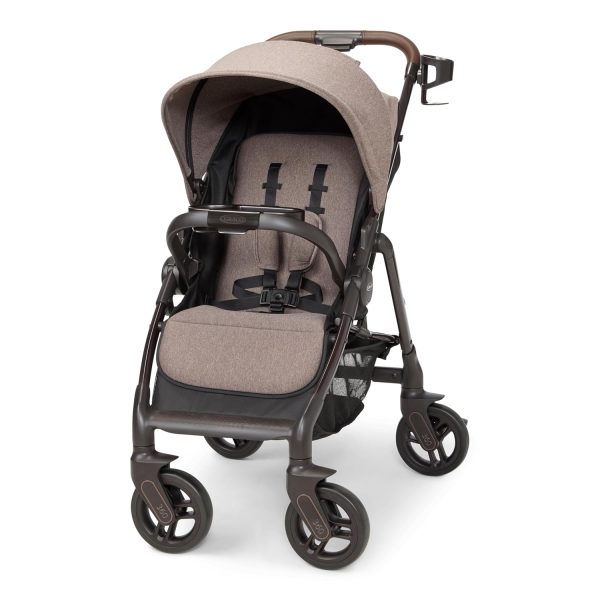
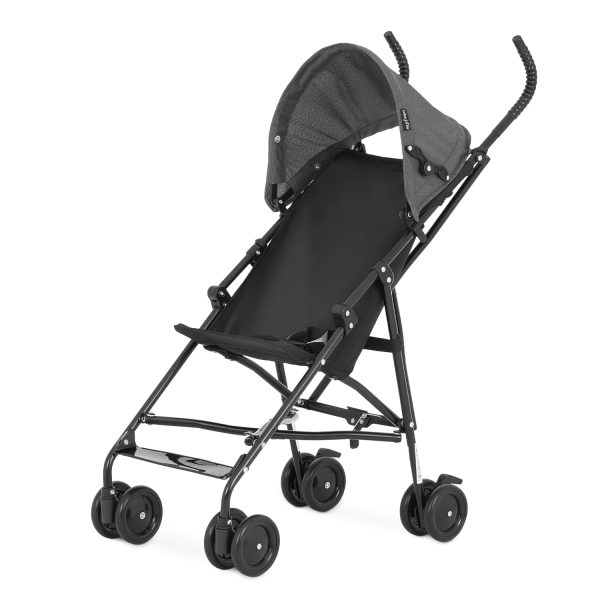
Most families end up using both: the carrier for crowds, stairs and fussy evenings, and a stroller for long walks and heavier toddlers.
Strollers that pair well with a carrier
Frequently asked questions
Can my baby nap in the carrier?
Yes, if the carrier follows TICKS and you stay awake and alert. Check your baby’s chin and airway often, and move them to a crib or bassinet for longer sleeps. See contact naps.
When can I start babywearing?
From birth, with a carrier rated for your baby’s weight. Healthy full-term newborns are often carried in stretchy wraps. For premature babies or babies with breathing problems, ask your pediatrician first.
Can I breastfeed in a carrier?
Many parents do, but loosen the carrier to feed, then return your baby upright and snug, with their face visible, once they finish.
See also: stroller buying guide, travel systems and traveling with a baby.