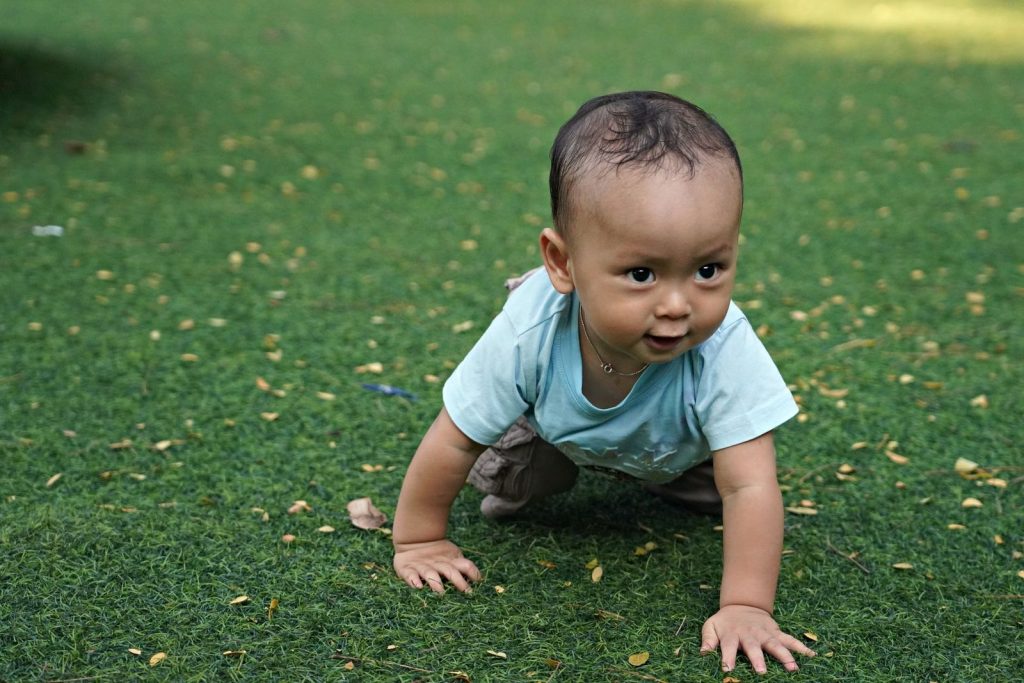
Most babies start crawling between 6 and 10 months, but the range of normal is wide. Some babies scoot, roll or commando-crawl instead, and some skip crawling altogether and go straight to pulling up and walking. That’s why crawling isn’t on the CDC’s milestone checklist. What matters more is that your baby is finding a way to move, using both sides of their body, and steadily gaining new skills.
Key takeaways
- Typical crawling age is 6–10 months; skipping crawling can be normal.
- Daily tummy time and plenty of floor time are the best preparation.
- Baby walkers don’t help babies walk sooner and cause injuries. The AAP advises against them.
- Baby-proof before your baby is mobile, ideally by 6 months.
- Mention to your doctor if your baby uses one side much more than the other, or loses skills.
Crawling styles
| Style | What it looks like |
|---|---|
| Classic crawl | On hands and knees, moving the opposite arm and leg together |
| Commando (army) crawl | Tummy on the floor, pulling forward with the arms |
| Bottom scoot | Sitting up and shuffling along on the bottom |
| Bear crawl | On hands and feet with straight arms and legs |
| Crab crawl | Moving sideways or backwards |
| Rolling | Rolling over and over to get somewhere |
Many babies try several styles, and going backwards first is very common.
The skills that come before crawling
- Head and upper-body strength from tummy time: pushing up on forearms, then straight arms.
- Rolling both ways, usually by around 6 months.
- Sitting without support, usually by around 9 months.
- Rocking on hands and knees, often just before the first “real” crawl.
Our tummy time guide has positions and timings by age.
How to encourage crawling
- Lots of floor time. A clean blanket or mat on the floor beats time in bouncers, swings and seats.
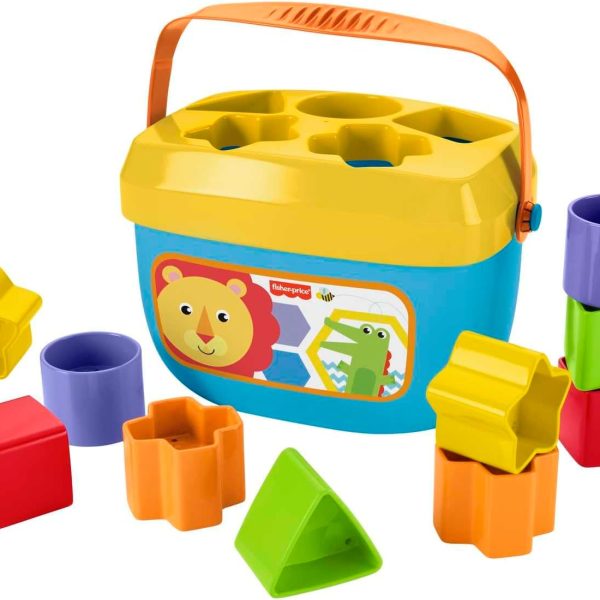
- Place toys just out of reach so your baby has a reason to stretch and move.
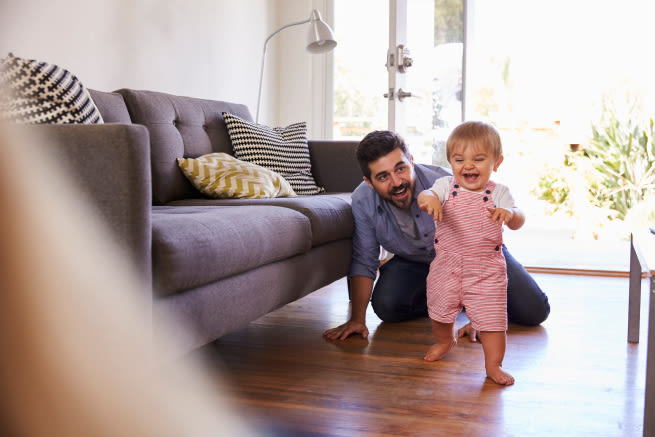
- Get down on the floor yourself. Your face is the best motivator. Lie a short distance away and call your baby.
- Create gentle obstacles such as cushions or a rolled towel to crawl over, always with you right there.
- Bare feet and knees on grippy surfaces help babies push off.
Baby walkers let babies move fast and reach hazards, and they have caused serious falls down stairs, burns and poisonings. They don’t help babies learn to walk, and may delay it. A stationary activity center without wheels is a safer alternative, used for short periods.
Baby-proof before your baby moves
Crawling means your baby can reach cords, outlets, stairs, houseplants, small objects and anything on low shelves. Get down to their level and look around: anchor furniture, gate the stairs and lock away cleaning products and medicines. Use our room-by-room baby-proofing checklist.
When to talk to your pediatrician
- Your baby isn’t moving around in any way (crawling, scooting or rolling) by about 12 months.
- Your baby consistently uses one arm or leg, or drags one side.
- Your baby isn’t sitting without support by about 9 months.
- Your baby loses skills they once had.
- Something feels off to you. Trust your instincts and ask.
Our milestone checklist can help you note what your baby is doing before the visit. If your baby was born early, use their adjusted age.
Frequently asked questions
Is it bad if my baby skips crawling?
Not on its own. Many babies who skip crawling walk on time and develop normally. If your baby is moving in other ways and gaining new skills, that’s reassuring.
Why does my baby crawl backwards?
Arms are usually stronger than legs at first, so pushing sends babies backwards. Forward crawling typically follows within a few weeks.
Do babies need knee pads or shoes to crawl?
No. Bare feet and knees give the best grip and feedback. Use soft clothing on rough floors.
See also: baby milestones by month, best baby toys by age and Montessori at home.