Pumping lets you build a milk supply for times you’re apart from your baby, share feeds with a partner, or relieve engorgement. Most parents who are breastfeeding directly can start pumping once breastfeeding is going well, often around 3–4 weeks. If you’re exclusively pumping, aim to pump 8–10 times in 24 hours in the early weeks — roughly as often as a newborn would feed.
Key takeaways
- Milk removal drives supply: frequent, effective pumping matters more than long sessions.
- A correctly sized flange should never hurt; pain or pinching usually means the fit is wrong.
- Freshly pumped milk keeps 4 hours at room temperature, 4 days in the fridge, and about 6–12 months in the freezer.
- Clean pump parts after every use and let them air-dry.
- Output varies widely — 0.5 to 2 oz per session is common when pumping between feeds.
When to start pumping
- Breastfeeding directly: wait until latch and supply feel established (often 3–4 weeks) unless your baby can’t feed at the breast or you’ve been advised to pump earlier.
- Returning to work: start building a freezer stash 2–4 weeks before — one extra session a day is usually enough.
- Exclusive pumping or a baby in the NICU: start as soon as possible after birth, ideally within hours, with hand expression for colostrum.
Sample pumping schedules
| Situation | How often | Tip |
|---|---|---|
| Building a stash while breastfeeding | Once a day, 30–60 min after the first morning feed | Mornings usually give the most milk |
| At work, baby at daycare | Every 3–4 hours you’re apart | Roughly match your baby’s feeds |
| Exclusive pumping, first 12 weeks | 8–10 times in 24 h, including once overnight | Don’t go longer than 5 hours at night early on |
| Exclusive pumping, after supply settles | 6–8 times in 24 h | Drop sessions one at a time and watch output |
Getting more from each session
- Check flange fit: the nipple should move freely in the tunnel without much areola pulled in. Many people need a smaller size than the default.
- Start on the stimulation setting, then switch to expression once milk flows.
- Use the lowest comfortable suction — higher isn’t better.
- Hands-on pumping: breast massage and compressions while pumping help empty the breast.
- Relax: warmth, a photo or video of your baby, and a drink of water help let-down.
Choosing a pump
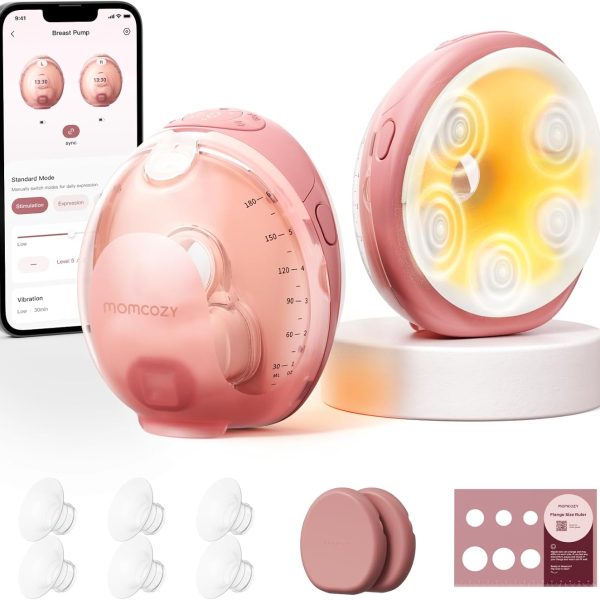
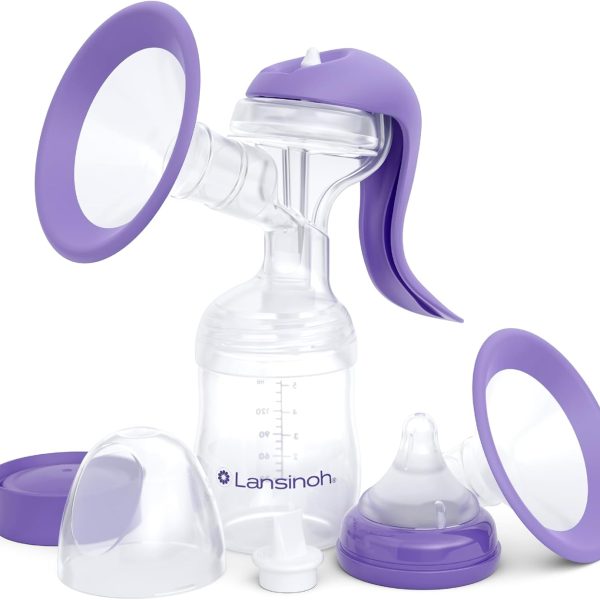
A manual pump is inexpensive and handy for occasional use or relieving fullness. Double electric pumps are fastest for regular pumping. Wearable pumps sit inside your bra so you can move around — convenient, though output can be a little lower for some people. Many families end up with two: a main pump and a portable one. Our breast pump buying guide compares them in detail.
Storing breast milk safely (CDC guidance)
| Where | Freshly expressed | Thawed from frozen |
|---|---|---|
| Countertop (up to 77°F / 25°C) | Up to 4 hours | 1–2 hours |
| Refrigerator (40°F / 4°C) | Up to 4 days | Up to 24 hours — never refreeze |
| Freezer (0°F / –18°C) | About 6 months best; up to 12 acceptable | — |
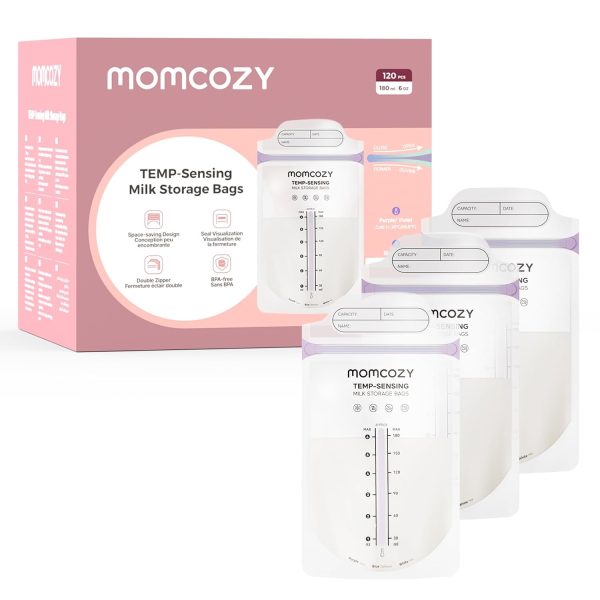
- Store in small amounts (2–4 oz) to reduce waste, and label with the date.
- Lay bags flat to freeze; they stack neatly and thaw faster.
- Thaw overnight in the fridge or under warm running water; never in the microwave.
- Milk your baby has started drinking should be used within 2 hours, then discarded.
Cleaning pump parts
Take apart all parts that touch milk, rinse, wash in hot soapy water with a dedicated brush (or a dishwasher if the manufacturer allows), and air-dry on a clean towel or rack. Sanitise at least daily if your baby is under 3 months, was born prematurely, or has a weakened immune system. Tubing doesn’t need washing unless milk gets into it.
- pumping is painful or causes nipple damage;
- you have a red, hot, painful area of the breast or a fever;
- your output drops suddenly and stays low.
A lactation consultant (IBCLC) can check flange fit and suggest a plan.
Frequently asked questions
Is it normal to pump only an ounce?
Yes, especially between feeds. Pumped output isn’t a reliable measure of how much your baby gets at the breast.
Can I combine milk from different sessions?
Yes — cool fresh milk in the fridge first, then add it to already-chilled milk from the same day.
Does pumping replace a feed for supply?
If you miss a feed, pumping at that time helps keep your supply steady.
Bottle-feeding the milk? See our bottle feeding guide and breastfeeding tips.