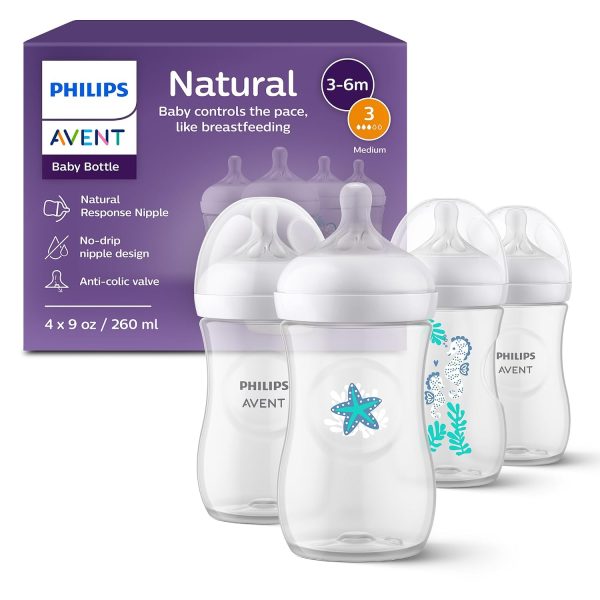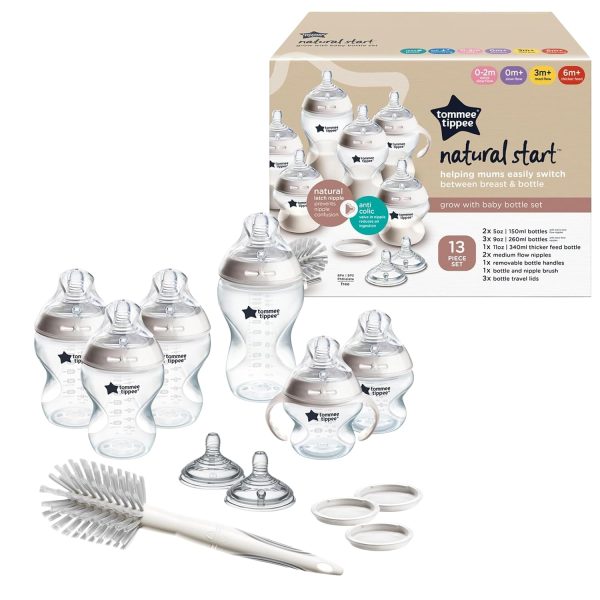
There’s no single best baby bottle — babies have preferences, and the right one is the one your baby feeds from calmly. Start with two or three bottles from one or two brands, with the slowest-flow nipple, and only buy more once your baby has chosen. For breastfed babies, a wide, gradually sloping nipple combined with paced feeding tends to work well.
Key takeaways
- Nipple flow matters more than bottle brand: start slow and move up only if feeds become frustrating.
- Plastic is light and unbreakable; glass is easy to clean and plastic-free; silicone is soft and squeezable.
- Anti-colic vents reduce air bubbles, which may help gassy babies.
- Buy a few to test before stocking up; 6–8 bottles cover exclusive bottle-feeding.
Bottle materials compared
| Material | Pros | Cons |
|---|---|---|
| Plastic (BPA-free) | Light, affordable, unbreakable, widely available | Can scratch or cloud; replace when worn |
| Glass | Plastic-free, doesn’t stain or hold smells, very durable | Heavier; can break (use a sleeve) |
| Silicone | Soft, light, squeezable, hard to break | Can attract lint; markings may be harder to read |
| Stainless steel | Very durable | Can’t see milk level; pricier |
Nipples: shape and flow
- Shape: wide-base nipples suit many breastfed babies; narrow “standard” nipples suit others. Let your baby decide.
- Flow: newborn/slow flow is right for most babies for months. Signs of too-fast flow: gulping, coughing, milk leaking from the mouth. Too slow: frustration, a collapsing nipple, feeds taking over 30 minutes.
- Replace nipples at the first sign of cracks, thinning, stickiness or enlarged holes — usually every 2–3 months.
Anti-colic and venting systems
Vents let air in behind the milk so your baby swallows fewer bubbles. They can help babies who are gassy or fussy after feeds, though they won’t cure colic. Internal vent systems have extra parts to clean; valve-in-nipple designs are simpler.
Bottles for breastfed babies
If you’re combination feeding, pick a slow-flow nipple and use paced feeding so the effort at the bottle is similar to the breast. Introduce a bottle once breastfeeding is established (often around 3–4 weeks) and offer one regularly so it stays familiar. Our combination feeding guide covers the details.
Glass for plastic-free feeding
Glass bottles are durable, don’t scratch, and are easy to sanitise. Pair them with silicone sleeves for grip and protection.
How many bottles do you need?
- Exclusive formula or pumped milk: 6–8 bottles.
- Combination feeding: 3–4 bottles.
- Occasional bottle: 2 bottles.
Sizes: start with 4–5 oz bottles; most babies need 8–9 oz bottles by 4–6 months. Don’t forget a bottle brush and a drying rack — see our guide to cleaning and sterilising bottles.
Frequently asked questions
Do bottle sizes matter?
Only for how much they hold. A small bottle with a newborn amount helps prevent overfeeding early on.
Can I mix nipples and bottles from different brands?
Usually not — threads and collars differ. Stick to one system per bottle.
When should I move to a faster nipple?
When feeds regularly take more than 30 minutes or your baby gets frustrated, and only if they’re coping well with the current flow.