Combination feeding — giving your baby both breast milk and formula — is common and can be a great fit for many families. It lets others share feeds, eases pressure during low-supply phases, and makes a return to work simpler. The keys are introducing bottles once breastfeeding is established, replacing feeds gradually, and using paced bottle feeding so your baby stays happy at the breast.
Key takeaways
- Any amount of breast milk benefits your baby — it’s not all or nothing.
- If you can, wait until breastfeeding is going well (often 3–4 weeks) before regular bottles, unless advised otherwise.
- Your supply adapts to demand: each breastfeed you replace lowers production over time.
- Paced feeding and a slow-flow nipple help prevent bottle preference.
- Never mix powdered formula with breast milk instead of water.
Why parents choose combination feeding
- Sharing night feeds so the breastfeeding parent gets longer sleep.
- Returning to work or study.
- Supplementing when weight gain or supply needs support (with medical advice).
- Personal comfort, health or medication reasons.
Protecting your milk supply
Milk supply works on supply and demand. To keep yours steady while adding formula:
- Replace one feed at a time, waiting 3–5 days before changing another.
- Keep the feeds you most enjoy — often the first morning and bedtime feeds.
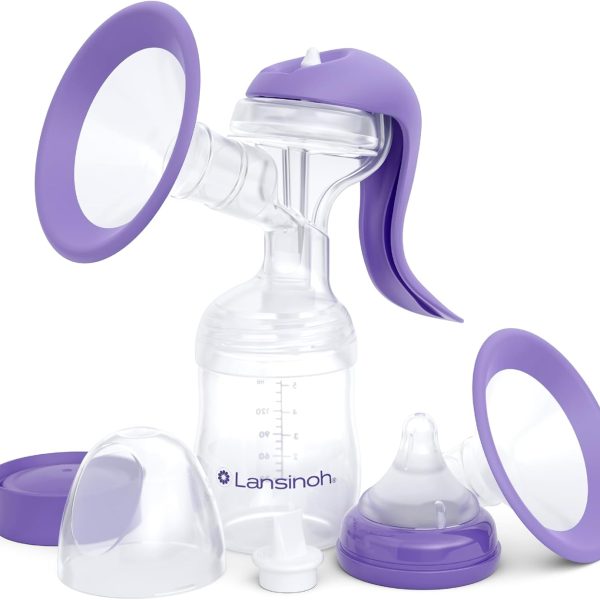
- Pump when a missed feed leaves you full, at least at first, to avoid engorgement and mastitis.
- Watch the overnight gap: long stretches without milk removal can reduce supply faster in the early months.
Sample combination routines
| Goal | Example day |
|---|---|
| Partner does one night feed | Breastfeed all day; one bottle of formula or pumped milk at ~11 pm while you sleep; breastfeed for the rest of the night |
| Back at work | Breastfeed morning and evening; bottles at daycare; breastfeed on demand on days off |
| Supplementing for weight gain | Breastfeed first, then a measured “top-up” bottle as your pediatrician recommends |
Bottles that suit breastfed babies
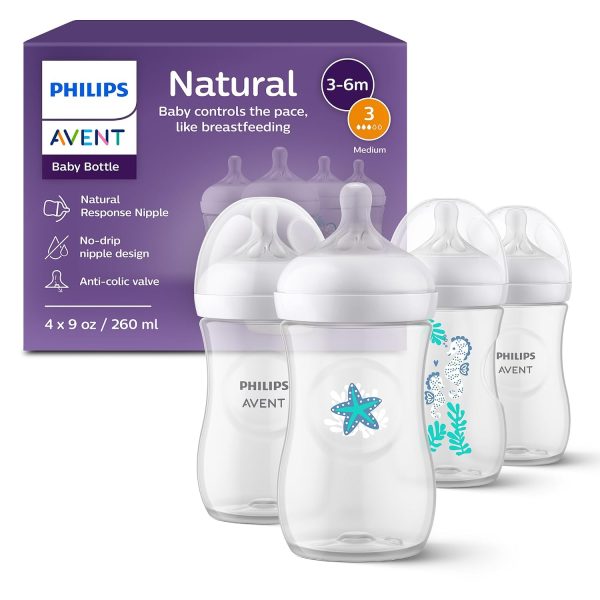
Choose a slow-flow nipple with a wide base and practise paced feeding: hold the bottle more horizontal, pause often, and let your baby set the pace. This keeps the effort similar to breastfeeding.
Preparing formula and mixing with breast milk
- Always prepare formula with water exactly as the label directs.
- You can offer breast milk and formula in separate bottles, or add prepared formula to breast milk in the same bottle — but never use breast milk instead of water to mix powder.
- Offering them separately avoids wasting breast milk if your baby doesn’t finish.
Our formula calculator estimates daily amounts by weight — remember that top-ups for a combination-fed baby will be less than the full daily total.
Common challenges
Bottle refusal
Let another person offer the bottle, try a different nipple, and keep sessions short and calm. See bottle feeding tips.
Breast refusal after bottles
Use paced feeding, offer the breast when your baby is drowsy or calm, and try skin-to-skin. A lactation consultant can help.
Changes in poop
Formula-fed stools tend to be firmer and less frequent — that’s expected.
Frequently asked questions
Will formula ruin breastfeeding?
Not necessarily. Many babies happily take both. Introducing gradually and protecting supply makes success more likely.
Which formula should I use?
A standard iron-fortified infant formula suits most babies. See our formula feeding guide.
Can I go back to exclusive breastfeeding later?
Often, yes — by increasing breastfeeds and pumping. A lactation consultant can help you plan.