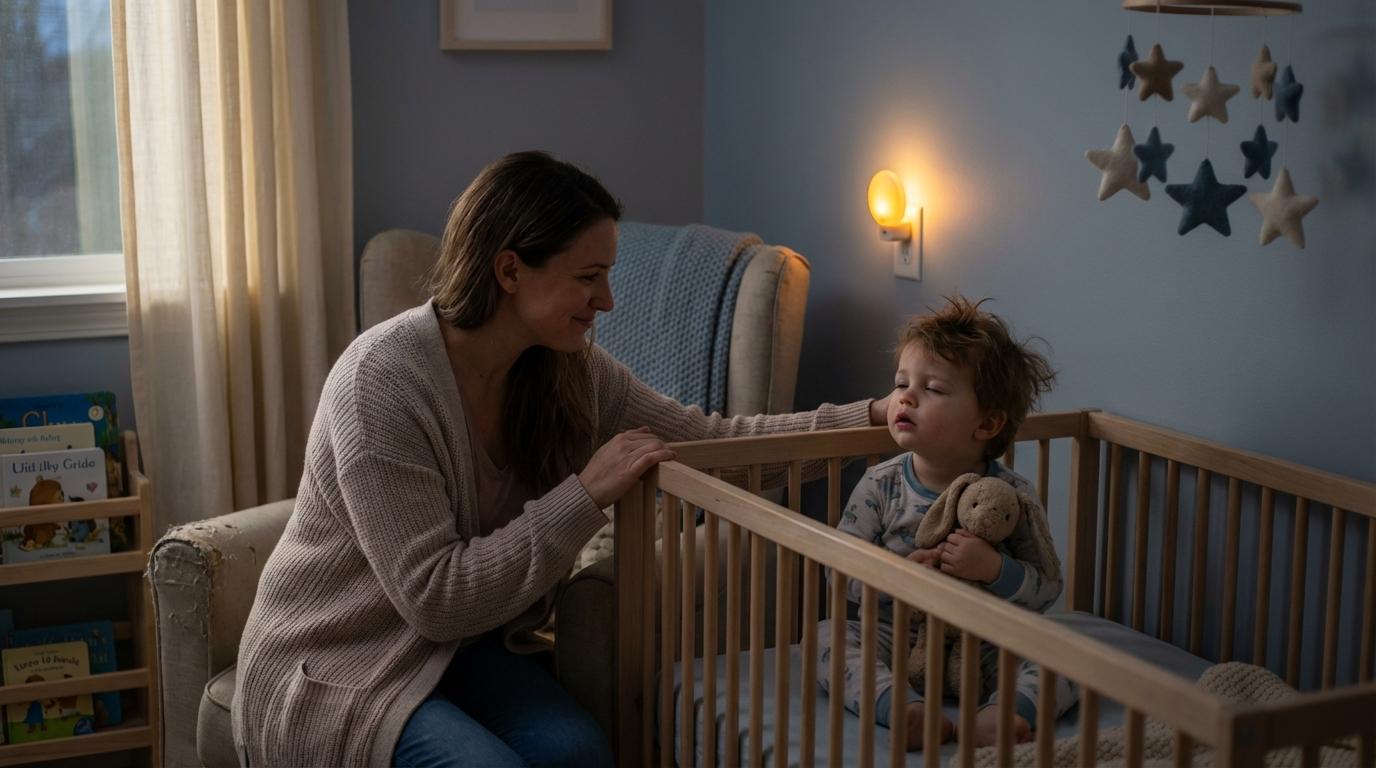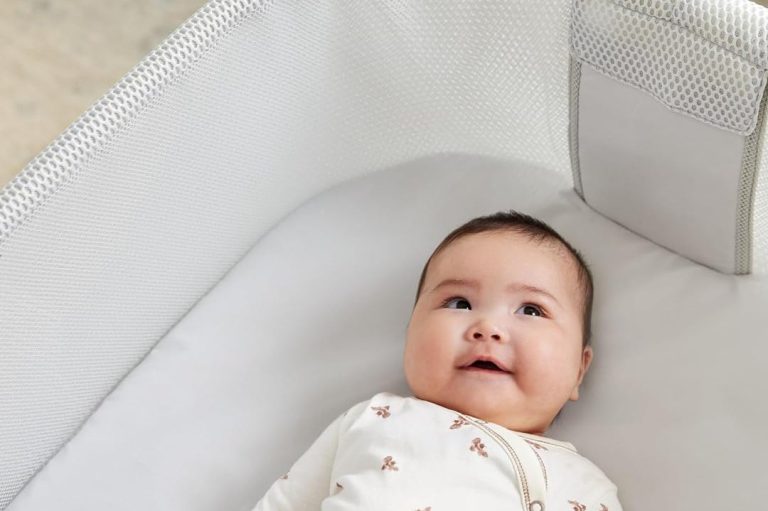
Swaddling — wrapping your newborn snugly in a thin blanket — can calm the startle reflex and help many young babies settle. Done safely it is a useful tool for the first weeks. The essentials: always place a swaddled baby on their back, keep the wrap snug at the chest but loose at the hips, avoid overheating, and stop as soon as your baby shows signs of trying to roll.
Key takeaways
- A swaddled baby must always sleep on their back, in an empty crib or bassinet.
- Leave room for the legs to bend up and out at the hips — tight leg wrapping can harm hip development.
- Use a thin cotton or muslin blanket, or a ready-made swaddle, and dress your baby lightly underneath.
- Stop swaddling at the first signs of rolling (often around 2–4 months) and switch to a wearable blanket with arms free.
- Never use weighted swaddles or sleep sacks.
Why swaddling helps
Newborns have a strong startle (Moro) reflex: a sudden flinging of the arms that can wake them just as they drift off. A swaddle keeps the arms contained and recreates some of the snugness of the womb. Not every baby likes it — some settle better with one or both arms out — and that is fine. Swaddling is optional, never required.
How to swaddle, step by step
- Lay the blanket in a diamond on a flat surface and fold the top corner down about 6 inches.
- Place your baby on their back with their shoulders just below the fold.
- Bring the left side across: hold your baby’s right arm straight-ish at their side, wrap the left edge of the blanket over the arm and chest, and tuck it under their back on the right side.
- Fold the bottom up loosely over the feet, leaving plenty of room for the legs to bend up and out in a “frog” position.
- Bring the right side across: with the left arm at their side, wrap the right edge over the body and tuck it under on the left.
- Check the fit: you should be able to slide two or three fingers between the blanket and your baby’s chest. The wrap should be snug around the arms and chest, never around the neck or hips.
Many parents find a ready-made swaddle with Velcro or zips easier at 3 am, and they can’t unravel into loose bedding. Whatever you use, follow the same rules.
The safety rules that matter most
| Rule | Why |
|---|---|
| Back to sleep, every time | A swaddled baby who ends up on their tummy can’t use their arms to lift or turn their head. |
| Stop at the first signs of rolling | Rolling while swaddled can trap a baby face-down. |
| Hips loose | Legs need to bend up and out; straight, tight legs raise the risk of hip dysplasia. |
| Don’t overheat | Use thin fabric, skip hats indoors, and check the back of the neck for sweating. |
| Nothing weighted | The AAP advises against weighted swaddles and sleep sacks. |
| Empty sleep space | No pillows, bumpers or loose blankets. See our safe sleep checklist. |
When to stop swaddling
Stop as soon as your baby shows signs of trying to roll — rocking onto a side, kicking a hip over, or pushing up strongly during tummy time. For some babies that happens around 8 weeks; for others it is closer to 3–4 months. Don’t wait for a full roll.
How to transition out
- One arm out first: swaddle with one arm free for a few nights, then both.
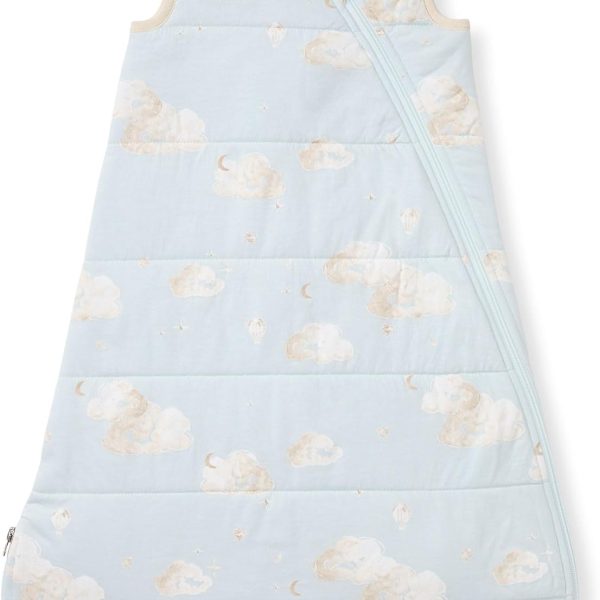
- Move to a wearable blanket (sleep sack) with arms free. It keeps your baby warm without loose bedding.
- Expect a few unsettled nights. Keep the rest of your routine the same and use white noise if it helps.
Swaddling and feeding, skin-to-skin and daycare
Unswaddle for feeds and skin-to-skin so your baby can use their hands to find the breast and so you can see feeding cues. Many childcare centres don’t swaddle at all; if your baby will start daycare, practise arms-out sleep a few weeks beforehand.
Where a swaddled baby should sleep
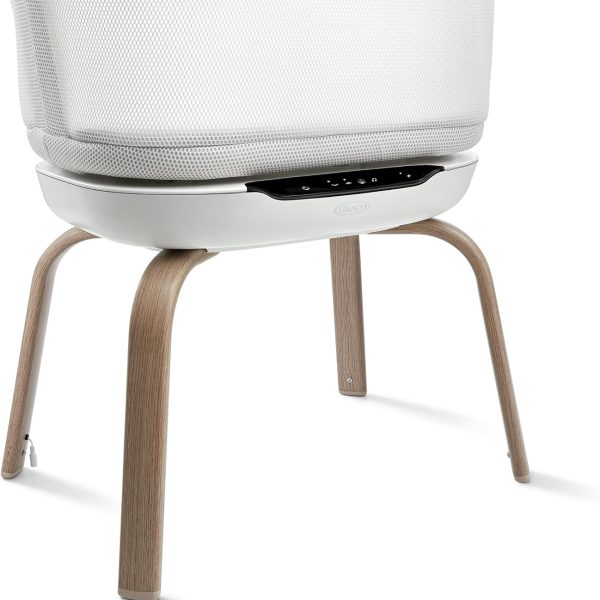
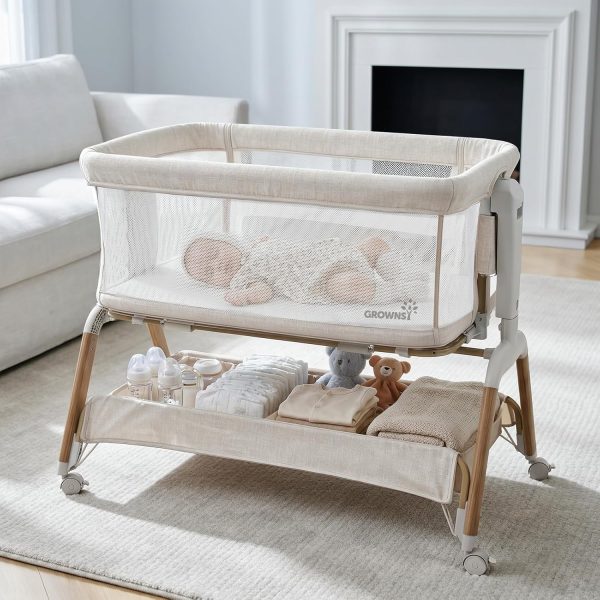
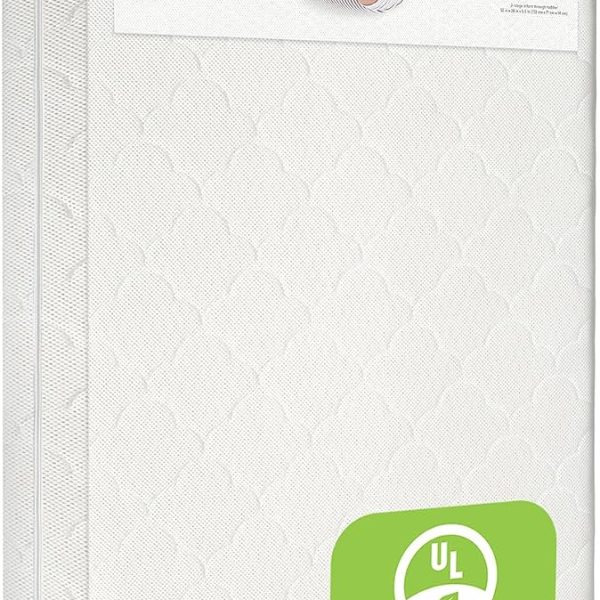
A firm, flat bassinet or crib in your room is ideal for the first months. Make sure the mattress fits snugly and there’s nothing else in the sleep space.
- your baby seems stiff or uncomfortable with their legs, or the hip creases look uneven;
- your baby is unusually sweaty, flushed or has a fever;
- you have concerns about your baby’s breathing during sleep.
Frequently asked questions
Is it okay if my baby breaks out of the swaddle?
Loose fabric in the crib is a hazard, so if your baby regularly wriggles free, try a fitted swaddle with fasteners or move to arms-out sleep.
Can I swaddle for naps and at night?
Yes, as long as every sleep follows the same rules: on the back, in an empty, flat sleep space, and only until rolling begins.
My baby hates being swaddled. Should I keep trying?
No need. Try arms up or one arm out, or skip it altogether. Our guide on how to get your baby to sleep has other soothing techniques.