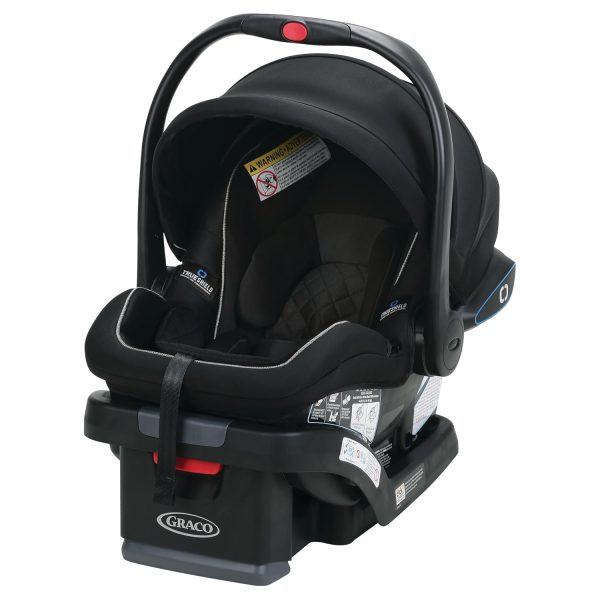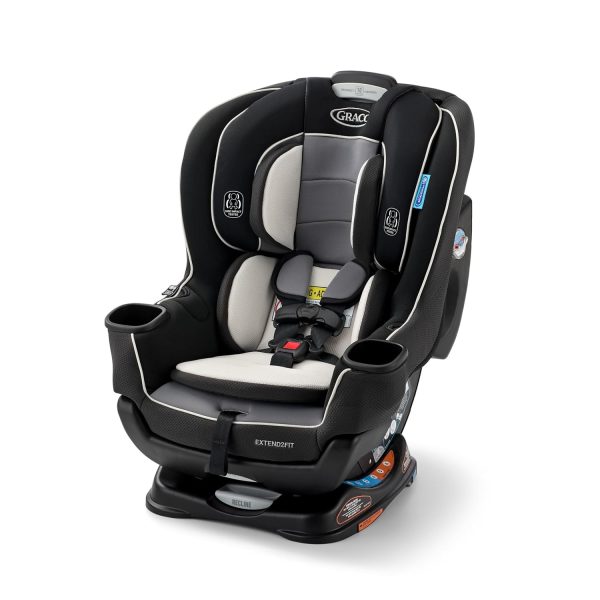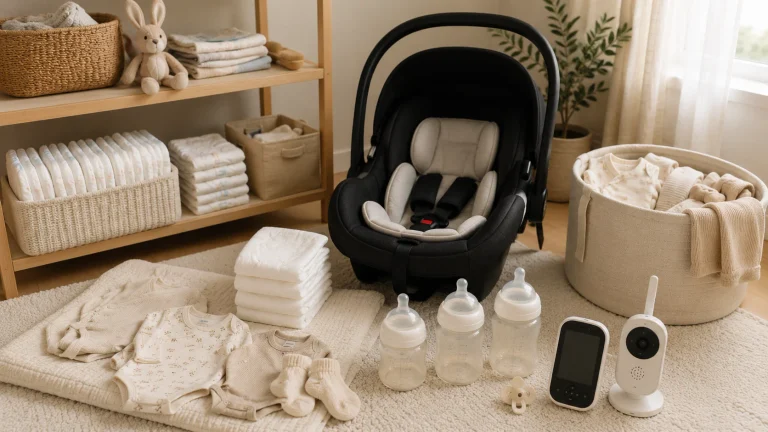
Both infant and convertible car seats can keep a newborn safe when used correctly. An infant seat is a rear-facing-only carrier that clicks into a base and often onto a stroller — convenient, but outgrown in about a year. A convertible seat stays in the car, works rear-facing from birth and later forward-facing, and lasts for years. The most important rule is the same for both: keep your child rear-facing as long as possible, until they reach the seat’s rear-facing height or weight limit.
Key takeaways
- Rear-facing is safest for babies and toddlers — stay there until the seat’s maximum limit.
- Infant seats: portable, great for newborns, outgrown around 9–15 months.
- Convertible seats: one purchase from birth to preschool, but not portable.
- The “best” seat is the one that fits your child, your car and that you can install correctly every time.
- Never use a seat that’s expired, recalled, or has been in a moderate or severe crash.
Side by side
| Infant seat | Convertible seat | All-in-one | |
|---|---|---|---|
| Direction | Rear-facing only | Rear, then forward | Rear, forward, then booster |
| Typical limits | Up to ~30–35 lb / 30–32 in | Rear-facing often to 40–50 lb | Up to ~100–120 lb as booster |
| Portable carrier | Yes | No | No |
| Stroller-compatible | Often | No | No |
| Lifespan | About 1 year of use | Several years | Up to ~10 years (check expiry) |
Which should you buy first?
- Choose an infant seat if you drive often, want to carry your baby in the seat, or plan to use a travel system.
- Choose a convertible seat if you rarely move the seat, want one purchase, or have a larger newborn — check the minimum weight fits your baby.
- Many families do both: an infant seat first, then a convertible around their first birthday.
The stages after that
- Rear-facing as long as possible (until the seat’s rear-facing limit).
- Forward-facing with a 5-point harness until the harness limit.
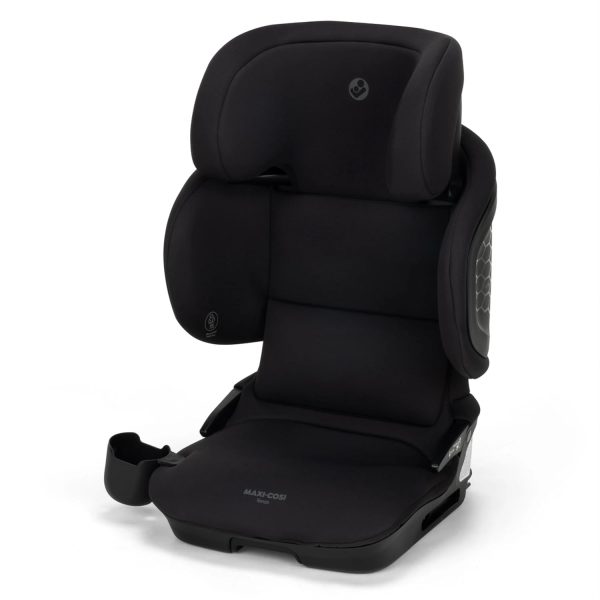
- Belt-positioning booster until the adult belt fits properly, usually at 4 ft 9 in tall and 8–12 years old — see our booster seat guide.
- Back seat for all children under 13.
Fit checks for every seat
- Harness straps at or below shoulders when rear-facing; at or above when forward-facing.
- Chest clip at armpit level.
- Pinch test: you can’t pinch any slack in the strap at the collarbone.
- No bulky coats or snowsuits under the harness.
Installation tips are in our car seat installation checklist.
Frequently asked questions
Isn’t my toddler uncomfortable with legs bent rear-facing?
Children are flexible and sit comfortably cross-legged. Bent legs are not a safety concern; rear-facing protects the head, neck and spine.
Do car seats expire?
Yes — usually 6–10 years from manufacture. Check the label or manual.
Is a more expensive seat safer?
All seats sold in the US meet the same federal crash standards. Pay for features that make correct use easier.