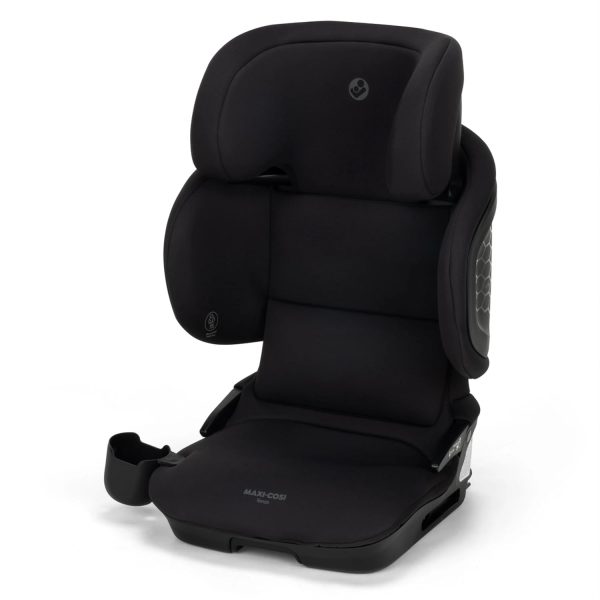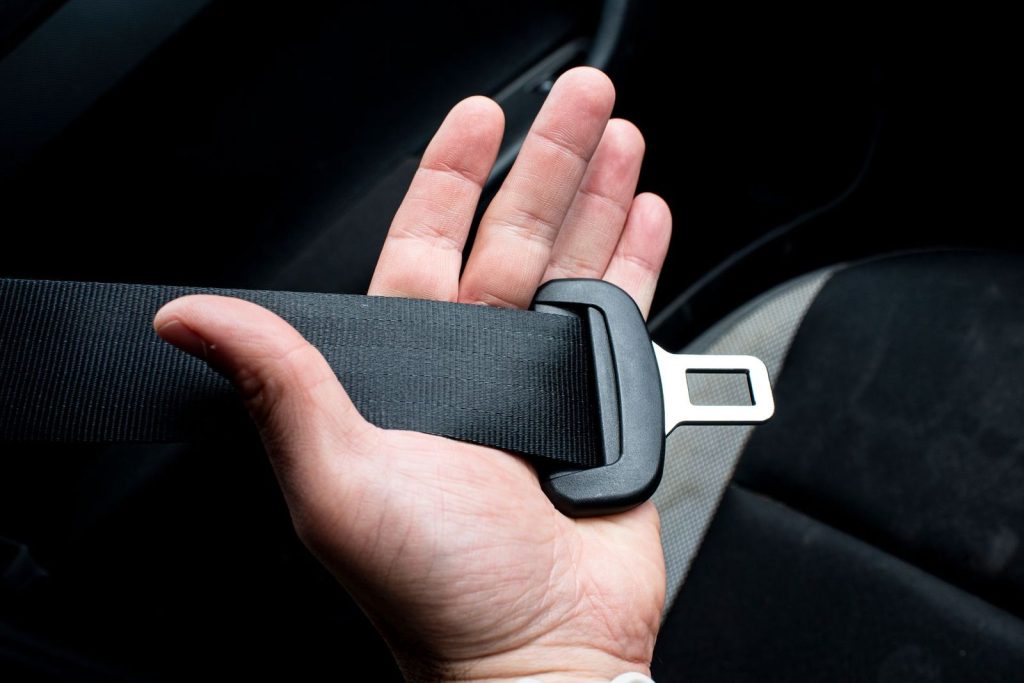
A booster seat lifts your child so the adult seat belt fits their body correctly. Children should move to a booster only after outgrowing the height or weight limit of their forward-facing harness seat — not based on age alone — and stay in it until the seat belt fits properly, usually at about 4 feet 9 inches tall, often between 8 and 12 years old.
Key takeaways
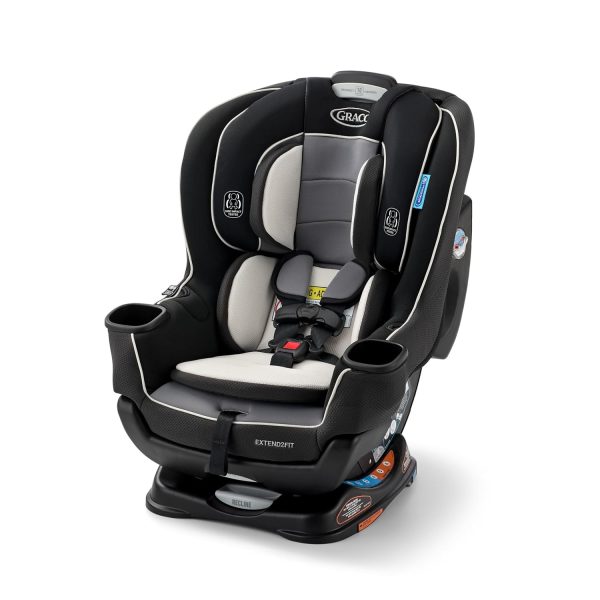
- Keep children in a harnessed seat until they reach its maximum limits.
- Boosters must be used with a lap and shoulder belt — never a lap belt alone.
- High-back boosters guide the belt and support sleeping children; backless boosters are portable.
- Use the 5-step test to decide when your child can ride without a booster.
- Children under 13 belong in the back seat.
Is your child ready for a booster?
- They’ve outgrown their forward-facing harness seat by height or weight.
- They can sit properly for the whole ride — no slouching, leaning out of the belt or putting the shoulder belt behind them.
- They meet the booster’s minimum age, height and weight.
Many 4- and 5-year-olds aren’t mature enough to sit still in a booster; a harness is safer until they are.
High-back vs backless
| High-back booster | Backless booster | |
|---|---|---|
| Belt guidance | Shoulder-belt guide positions the belt correctly | May need a clip to position the shoulder belt |
| Head support | Needed in cars without headrests; helps sleeping kids | Requires a vehicle headrest behind the child’s head |
| Portability | Bulkier | Light and easy for carpools and travel |
How the belt should fit
- Lap belt low and snug across the upper thighs — not the stomach.
- Shoulder belt across the middle of the chest and shoulder — not the neck or slipping off the arm.
The 5-step test (ready to ride without a booster?)
- Back against the vehicle seat.
- Knees bend at the edge of the seat.
- Lap belt across the upper thighs.
- Shoulder belt across the chest and shoulder.
- Can stay seated like this for the whole trip.
If any answer is “no”, keep using the booster. Check in each vehicle — belt fit differs.
Common mistakes
- Moving to a booster too early.
- Using a lap-only belt.
- Shoulder belt behind the back or under the arm.
- Leaving the booster unbuckled when empty (it can become a projectile) — buckle it in or use LATCH connectors if available.
Frequently asked questions
What age can a child stop using a booster?
It depends on size and fit, not age — usually between 8 and 12 years, once they pass the 5-step test.
Can my child ride in the front seat with a booster?
Children under 13 should ride in the back seat.
Are inflatable or travel boosters safe?
Only use boosters that meet federal safety standards and follow their instructions.
Related: car seat installation checklist.