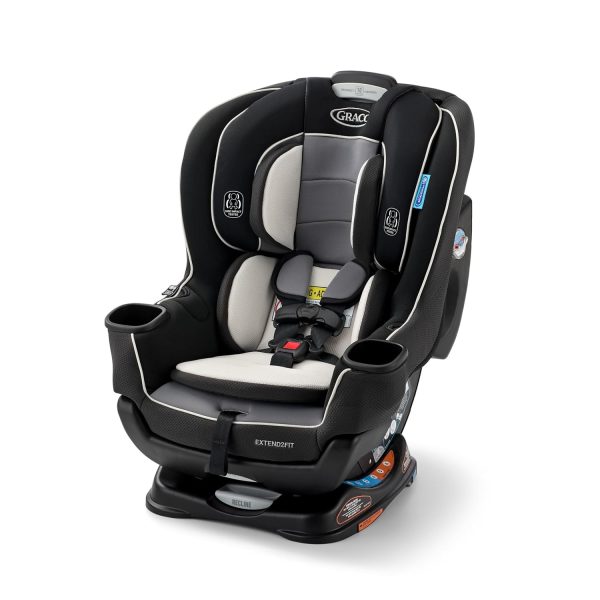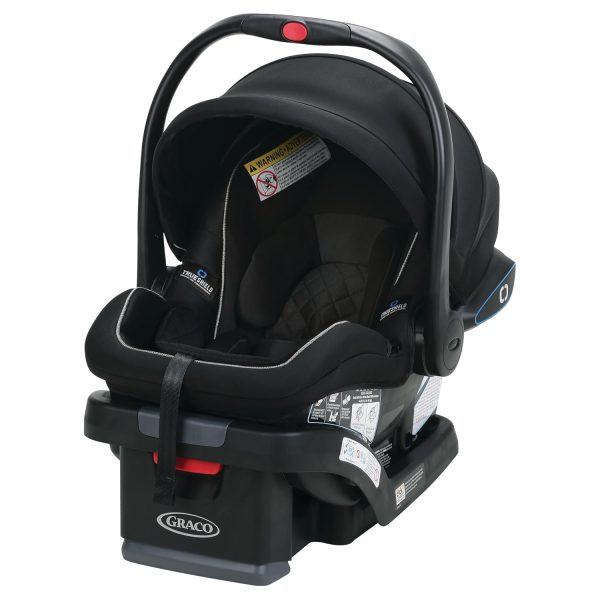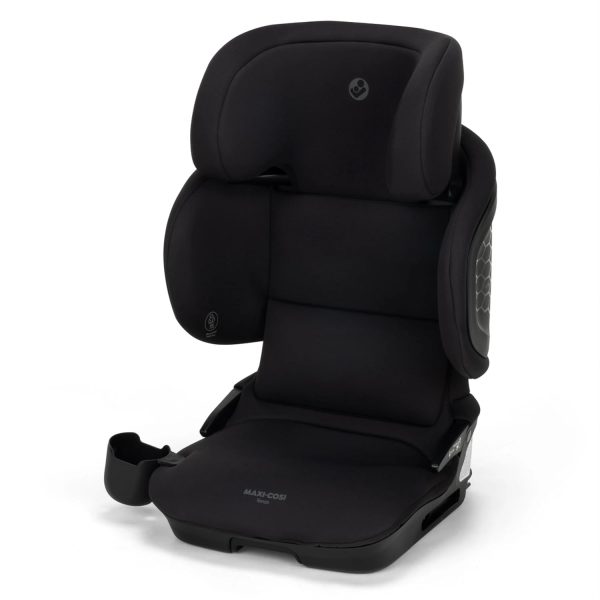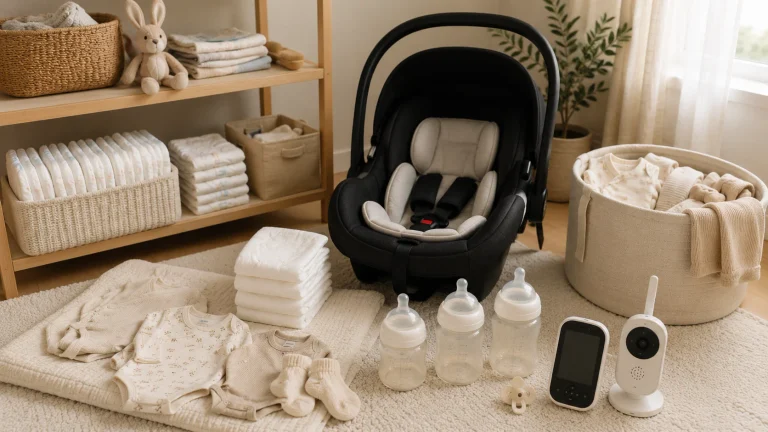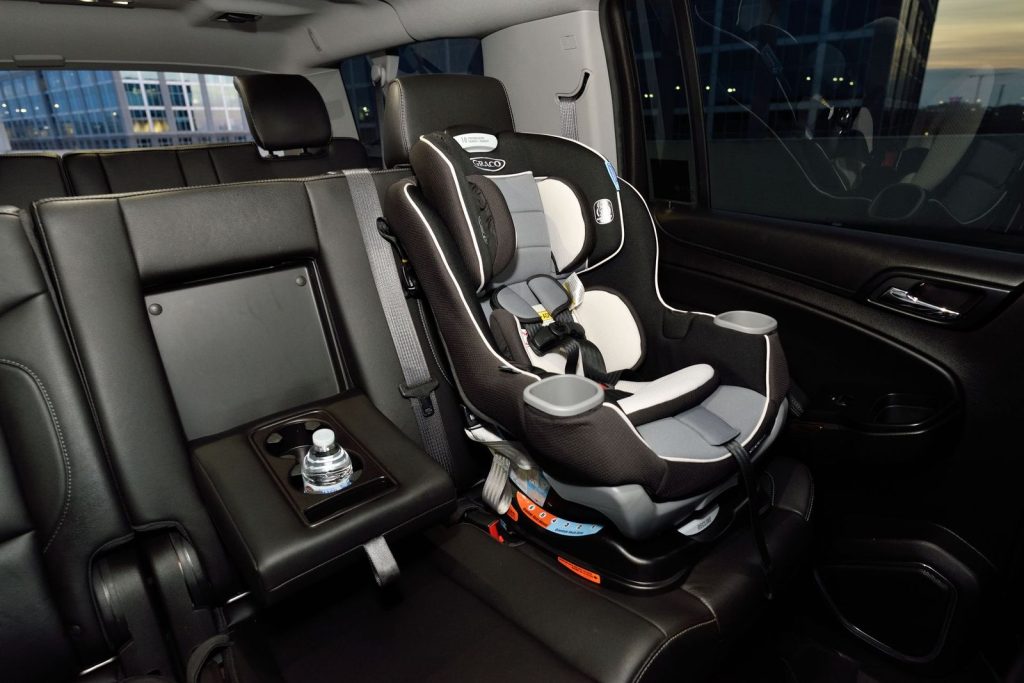
A correctly used car seat is one of the most effective safety tools you’ll ever buy — yet many seats are installed or used with at least one mistake. The good news: most errors are easy to fix. Read both the car seat manual and your vehicle manual, choose either LATCH or the seat belt, make sure the seat moves less than 1 inch at the belt path, and check the harness fit every ride.
Key takeaways
- Use LATCH or the seat belt — not both, unless your seat’s manual says otherwise.
- Less than 1 inch of side-to-side or front-to-back movement at the belt path.
- Rear-facing seats need the correct recline angle — use the seat’s indicator.
- Always use the top tether for forward-facing seats.
- Get a free check from a certified Child Passenger Safety Technician.
The 10-point checklist
- Right seat for your child — within its height and weight limits, rear-facing as long as possible.
- Back seat — never in front of an active airbag.
- One installation method — LATCH lower anchors or the vehicle seat belt (locked as the manual describes).
- Tight install — grip the seat at the belt path; it should move less than 1 inch.
- Correct recline for rear-facing — check the bubble or line indicator.
- Top tether attached and tightened for forward-facing seats.
- Harness height — at or below shoulders rear-facing; at or above forward-facing.
- Snug harness — you can’t pinch slack at the collarbone (the pinch test).
- Chest clip at armpit level.
- No bulky clothing under the straps — use a blanket over the buckled harness instead.
LATCH or seat belt?
| Method | Good to know |
|---|---|
| LATCH (lower anchors) | Often easier to get tight; lower anchors have a weight limit (child + seat) — check your manual |
| Seat belt | Works in every seating position with a belt; the belt must be locked |
| Top tether | Use with either method when forward-facing — it reduces head movement in a crash |
Both methods are equally safe when done correctly. Use whichever gives you a solid installation.
Most common mistakes
- Loose installation (more than 1 inch of movement).
- Loose harness or chest clip too low.
- Turning forward too early.
- Puffy coats under straps.
- Using both LATCH and the belt without manufacturer approval.
- Forgetting the top tether.
- Using aftermarket products (inserts, mirrors, strap covers) that didn’t come with the seat.
Infant seats with a base
Install the base following the same rules, then click the carrier in and give it a tug to confirm it’s locked. If you install the carrier without its base (in taxis or travel), use the vehicle belt routing shown in the manual.
When to replace a car seat
- After a moderate or severe crash (NHTSA explains the criteria for minor crashes).
- When it reaches its expiration date (often 6–10 years).
- If it’s recalled and can’t be fixed, or is missing parts or labels.
Frequently asked questions
Which seat position is safest?
The back seat. The centre is often furthest from impact, but only if you can get a solid installation there.
Can I use a second-hand seat?
Only if you know its full history, it has never been in a crash, isn’t expired or recalled, and has all its parts and the manual.
How tight should the harness be?
Snug enough that you can’t pinch a horizontal fold of strap at your child’s collarbone.
Choosing a seat? See infant vs convertible car seats and booster seats.