Aim to have your hospital bag packed by about 36 weeks — earlier if you’re expecting twins or have been told you may deliver early. Keep it simple: hospitals provide many basics. Focus on documents, comfortable clothes, toiletries, recovery items, chargers, snacks, and your baby’s going-home outfit — plus an installed rear-facing car seat in the car.
Key takeaways
- Pack by around 36 weeks and keep the bag by the door or in the car.
- Install the infant car seat before your due date and get the fit checked.
- Bring a long phone charger — outlets are rarely near the bed.
- Pack loose, dark, comfortable clothes for recovery.
- Check what your hospital provides; you don’t need to bring diapers for days.
Documents and essentials
- ID, insurance card and hospital paperwork.
- Birth preferences (a short one-page summary).
- Phone, a long charging cable and a power bank.
- Glasses or contacts; any regular medications (tell your care team).
For labour
- Comfortable robe or oversized T-shirt, socks with grips, slippers.
- Lip balm, hair ties, a water bottle with a straw.
- Music or a calming playlist, headphones.
- Massage tool or tennis ball for back pressure.
For recovery
| Item | Why |
|---|---|
| High-waisted, loose underwear (or disposable) | Comfort, especially after a C-section |
| Heavy-flow maternity pads | Hospitals provide some; your own may be comfier |
| Nursing bras and breast pads | Milk comes in around days 2–5 |
| Nipple balm | Early breastfeeding comfort |
| Loose going-home outfit | You’ll still look about 6 months pregnant |
| Toiletries, dry shampoo, towel | Feeling human again helps |
| Snacks | Labour and nights are long |
For your baby
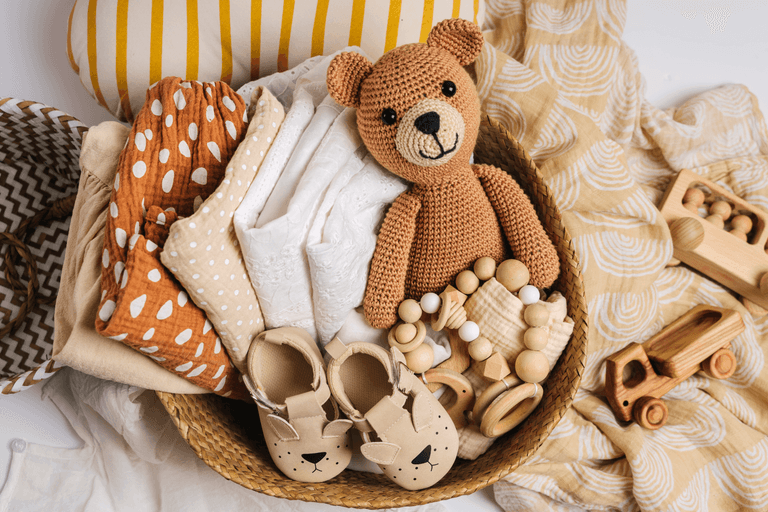
- A going-home outfit in newborn and 0–3 month sizes, plus a spare.
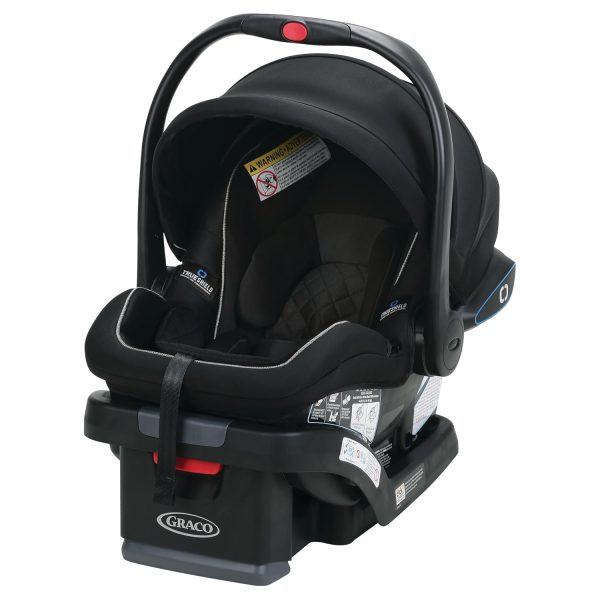
- A hat for outdoors and a light blanket to tuck over the buckled harness (not under it).
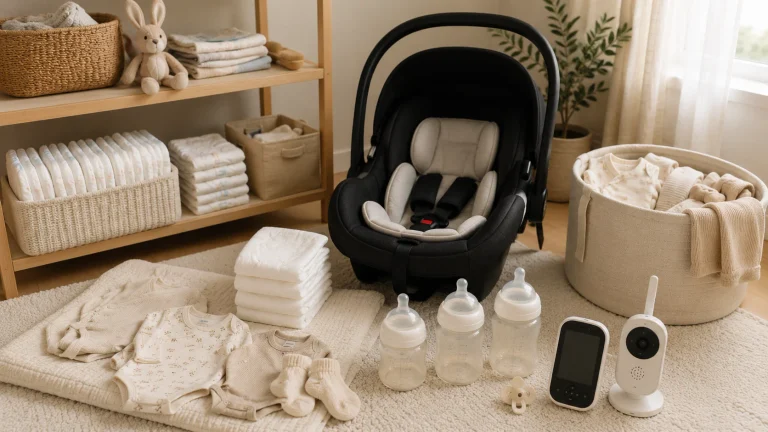
- A rear-facing infant car seat, installed in the car beforehand.
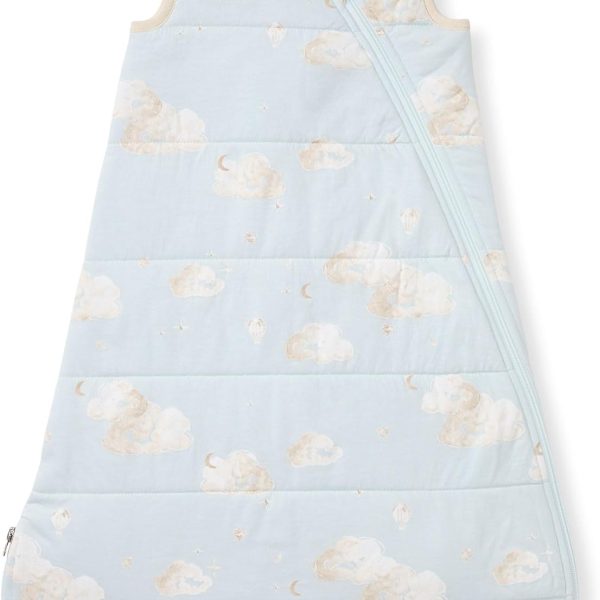
- Mittens or a sleep sack for the first nights at home.
For your partner or support person
- Change of clothes, toiletries, medications.
- Snacks, water and a pillow.
- Phone charger and a list of people to update.
Usually provided by the hospital
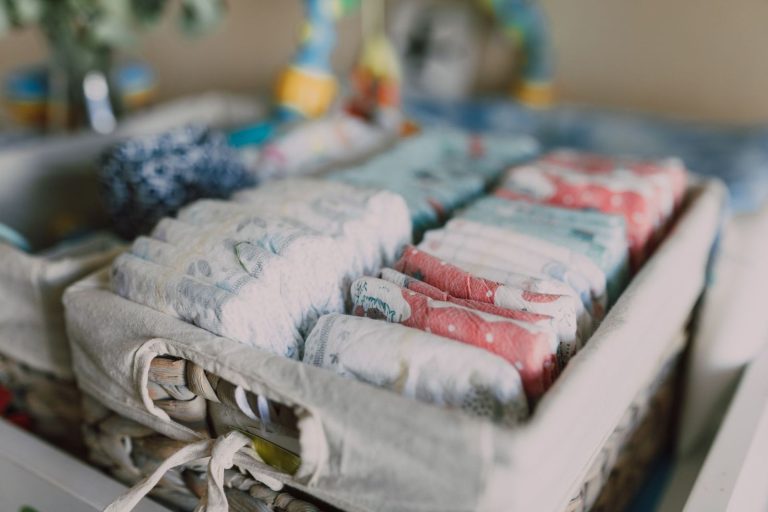
Diapers and wipes for your baby, hospital gowns, basic pads, mesh underwear, peri bottle, and often baby blankets and hats. Ask during your hospital tour.
If you plan to breastfeed or pump
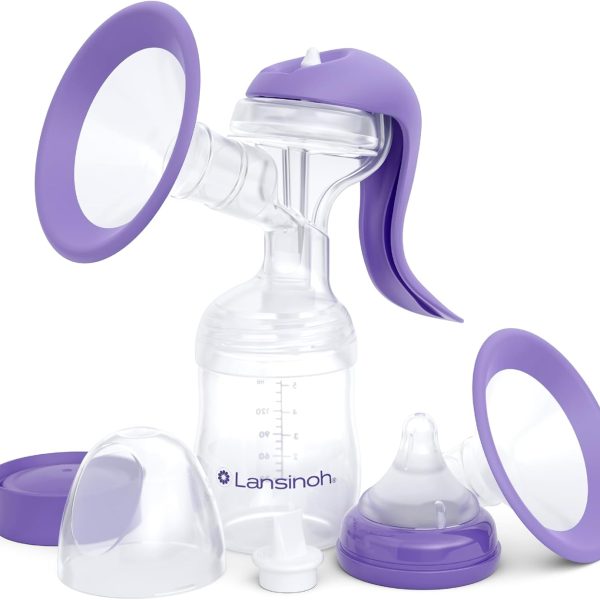
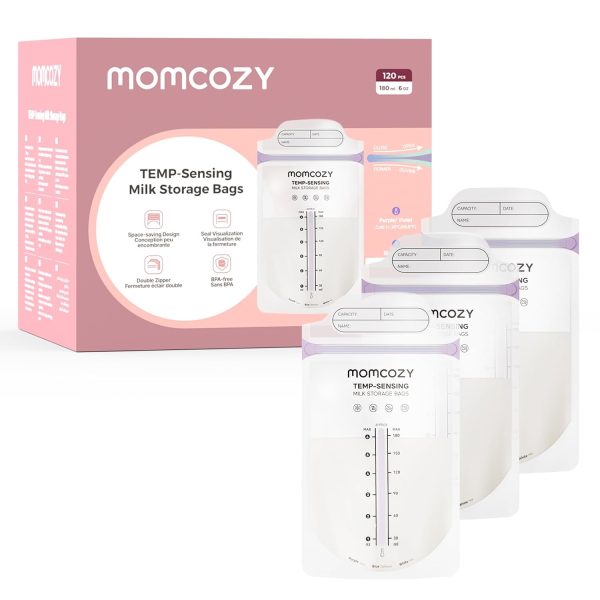
A manual pump can help if you’re separated from your baby or very full; storage bags let you save colostrum if advised. Most hospitals have pumps available on request.
Frequently asked questions
When should I pack my hospital bag?
Around 36 weeks, or earlier if advised.
Do I need a separate bag for the baby?
A small pouch inside your bag is enough — babies need little in hospital.
Should I bring my own pillow?
Many parents do; use a coloured pillowcase so it doesn’t get mixed up with hospital linen.
Next: the newborn essentials checklist and our due date calculator.