
Baby Led Weaning
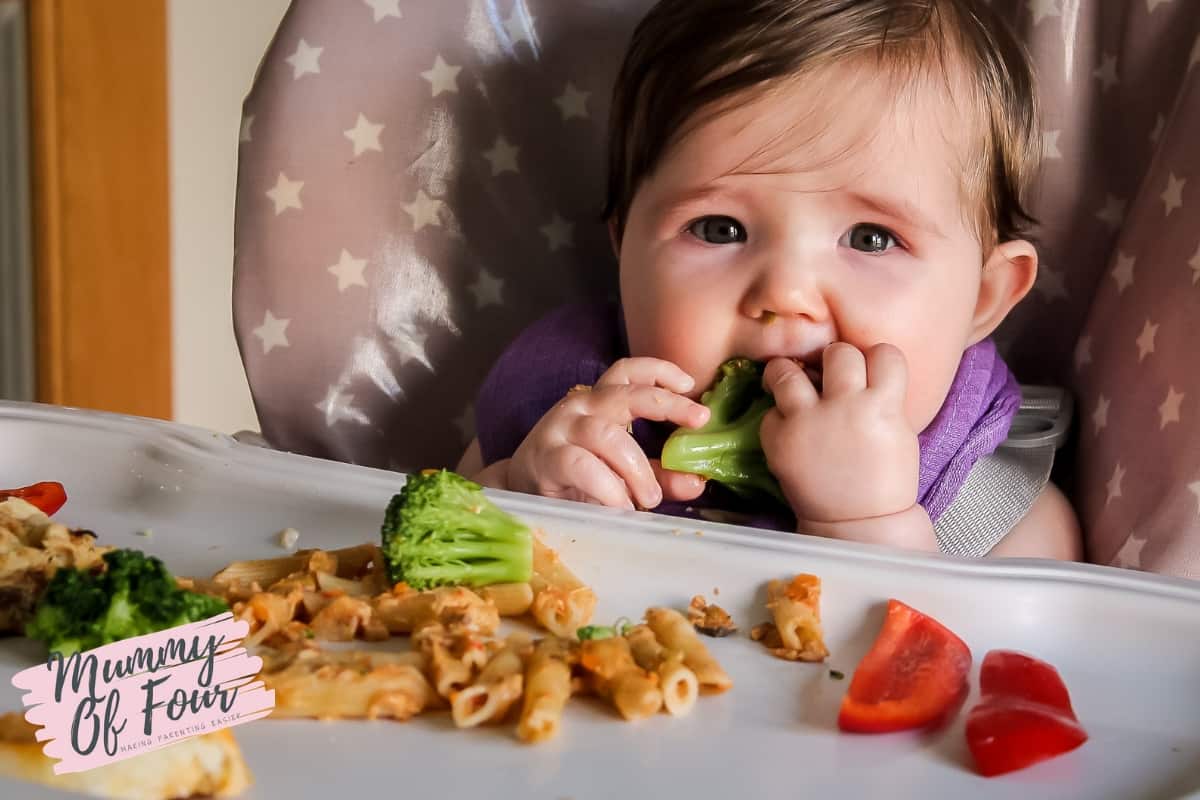
Baby Led Weaning (BLW) is an approach to introducing solid foods to infants that emphasizes self-feeding. Unlike traditional methods where babies are spoon-fed purees, BLW allows babies to explore food at their own pace by grabbing and eating finger-sized pieces of food. This method not only fosters independence but also helps develop fine motor skills and encourages a healthy relationship with food from an early age.
Benefits of Baby Led Weaning
Baby Led Weaning offers numerous benefits that can positively influence your child’s development:
Encourages Independence
BLW empowers babies to make choices about what they eat and how much, which can foster self-confidence and autonomy. By allowing babies to feed themselves, they learn to listen to their hunger cues and develop a sense of control over their eating habits.
Promotes Motor Skills
As babies grasp, hold, and manipulate different types of foods, they refine their hand-eye coordination and fine motor skills. These skills are crucial for other developmental milestones such as writing and self-care activities.
Reduces Picky Eating
By exposing babies to a variety of textures and flavors early on, BLW may reduce the likelihood of picky eating behaviors. Babies who experience diverse tastes are often more open to trying new foods as they grow older.
Facilitates Family Mealtime
BLW encourages babies to join the family during meals, promoting social interaction and family bonding. Babies observe and mimic family members, which can aid in their learning and development.
When to Start Baby Led Weaning
Determining the right time to start BLW is crucial for your baby’s safety and success. Here are some signs that your baby may be ready:
Age Requirement
Most experts recommend starting BLW around six months of age. At this stage, babies typically have better head and neck control, can sit up with minimal support, and have lost the tongue-thrust reflex, which helps prevent choking.
Interest in Food
A keen interest in food, such as reaching for your plate or opening their mouth when food is offered, is a good indicator that your baby is ready to start exploring solid foods.
Developmental Readiness
Your baby should be able to grab objects and bring them to their mouth. This indicates they have the necessary motor skills to begin self-feeding.
Getting Started with Baby Led Weaning
Starting BLW can be an exciting journey for both you and your baby. Here are some steps to help you begin:
Choose the Right Foods
Start with soft, easy-to-grasp foods such as steamed vegetables, ripe fruits, or cooked pasta. Cut foods into finger-sized pieces to make it easier for your baby to hold and eat.
Create a Safe Eating Environment
Ensure your baby is sitting upright in a high chair and always supervise them during meals. Remove any potential choking hazards and provide a calm, distraction-free environment.
Introduce a Variety of Foods
Offer a diverse range of foods to expose your baby to different flavors and textures. Avoid adding salt or sugar, and introduce one new food at a time to monitor for any allergic reactions.
Be Patient and Flexible
Remember that BLW is a gradual process. Some days your baby may eat more, and other days they may not show much interest. Be patient and allow them to explore food at their own pace.
Safety Considerations for Baby Led Weaning
Safety is paramount when practicing BLW. Here are some tips to ensure your baby’s safety:
Prevent Choking
Avoid small, hard foods such as nuts, whole grapes, or raw carrots, which can pose a choking hazard. Offer foods that are soft enough to be mashed with the gums.
Stay Informed About Allergies
Introduce allergenic foods such as eggs, peanuts, or fish gradually and one at a time. Watch for any signs of an allergic reaction, such as rash, vomiting, or difficulty breathing, and seek medical attention if necessary.
Maintain Supervision
Always supervise your baby during meals to ensure they are eating safely and not experiencing any distress.
Common Challenges and Solutions in Baby Led Weaning
BLW can come with its own set of challenges. Here are some common issues and tips to overcome them:
Messy Meals
BLW can be messy as babies explore food. Use bibs, mats, and easy-to-clean surfaces to minimize cleanup. Embrace the mess as part of the learning process.
Concerns About Nutritional Intake
Some parents worry about whether their baby is getting enough nutrients. Ensure your baby continues to receive breast milk or formula as their primary source of nutrition, and consult a pediatrician if you have concerns.
Dealing with Gagging
Gagging is a normal reflex as babies learn to manipulate food in their mouths. It’s different from choking and usually resolves on its own. Stay calm and give your baby time to learn.
Conclusion
Baby Led Weaning is a rewarding approach that promotes independence, fosters healthy eating habits, and supports overall development. By understanding the principles and taking appropriate safety measures, you can successfully navigate this feeding method and enjoy watching your baby embark on their culinary adventure. Remember, every baby is unique, so be patient and adapt the process to suit your child’s needs. With time and practice, BLW can become a cherished part of your family’s mealtime tradition.
#ChatGPT assisted in the creation of this article.


 No products in the cart.